
The promise of performance analytics often collides with the reality of fragmented data and ambiguous accountability. You, as a CMO, founder, or strategy-driven marketer, understand that without clear, actionable insights derived from robust analytics, your strategic initiatives remain adrift. This article dissects how to deploy performance analytics that not only generate data but also rigorously drive accountability at scale, transforming insights into tangible results across your organization. Prepare to recalibrate your approach to performance measurement and governance.
The notion of “performance” is relative without a framework for accountability. Merely tracking metrics is insufficient; the objective is to act on those metrics, fostering a culture where individuals and teams own their outcomes. Recent challenges in diverse sectors underscore this need. In private markets, Edward Kim highlights the evolution of performance analytics into a critical governance function, demanding “one-source-of-truth models” to ensure data integrity and scalability [1]. This isn’t just about reporting; it’s about establishing a universally accepted benchmark for truth. Similarly, the federal government’s proposed overhaul of worker ratings, including forced distribution and biennial OPM approval, directly targets leniency bias and seeks to inject accountability at an unprecedented scale across two million civil servants [2]. The message is clear: the era of “performative work” is receding, replaced by a demand for demonstrable impact [3].
Beyond Metrics: The Accountability Gap
Many organizations excel at data collection but falter at translating data into responsible action. This gap often stems from a lack of clarity in defining performance responsibility and the absence of robust systems to monitor and enforce it.
The Cost of Unaccountability
Unaccountable performance erodes trust, wastes resources, and stifles innovation. It manifests as missed targets, misallocated budgets, and a general erosion of strategic velocity. For marketing, this means campaigns underperforming without clear ownership of remediation, or budgets being spent without traceable ROI.
In the realm of Performance Analytics that Drive Accountability at Scale, understanding the dynamics of change management is crucial for organizations aiming to enhance their performance metrics. A related article that delves into this topic is “Change Management in SMEs,” which explores how small and medium-sized enterprises can effectively implement change strategies to foster accountability and improve overall performance. For more insights, you can read the article here: Change Management in SMEs.
Architecting a “One Source of Truth” Data Ecosystem
The foundation of scalable accountability is an unassailable data architecture. Fragmented data sources, conflicting definitions, and manual aggregation are the enemies of clarity and, by extension, accountability. Your goal must be to establish a unified, verifiable data environment.
Centralized Data Warehousing
Invest in a robust data warehouse or lakehouse capable of ingesting and correlating data from all relevant marketing, sales, product, and financial systems. This centralization eliminates data silos and provides a holistic view of performance. Think of it as a central nervous system for your organizational health.
Standardized Data Definitions and Taxonomies
Establish a universal dictionary for key performance indicators (KPIs) and metrics. A “lead” in your CRM must mean the exact same thing to your marketing automation platform and your sales team. This eliminates ambiguity and ensures that everyone speaks the same performance language. Inconsistent definitions render comparisons meaningless and accountability elusive.
Automated Data Pipelines and Validation
Manual data handling is prone to error and delay. Implement automated pipelines for data extraction, transformation, and loading (ETL), coupled with rigorous data validation rules. This ensures data freshness and integrity, reducing the burden of reconciliation and increasing confidence in the reported numbers. If your numbers are constantly under question, accountability becomes a moving target.
Formalizing the Performance Lifecycle

Accountability thrives within a well-defined process. Edward Kim highlights the necessity of “formal performance lifecycle frameworks” [1] for private markets. This framework needs to be applied just as rigorously to your marketing and business operations. It’s not enough to simply measure performance; you must actively manage its entire lifecycle.
Goal Setting and Alignment (The Genesis of Accountability)
Performance analytics begins long before data collection. It starts with clear, measurable, achievable, relevant, and time-bound (SMART) goals. These goals must cascade from the top-level organizational objectives down to individual team and, where appropriate, individual contributor targets.
OKRs or KPIs: Choose Your Weapon
Whether you opt for Objectives and Key Results (OKRs) or traditional KPIs, the crucial element is clear, quantitative definition. An OKR like “Objective: Increase customer lifetime value (LTV) by becoming the preferred vendor; Key Result: Achieve a 15% increase in repeat purchases by Q4” provides a clear target and a measurable outcome.
Cross-Functional Goal Synchronization
Break down departmental silos. Your marketing team’s customer acquisition goals must directly align with sales conversion targets and product adoption metrics. Misaligned goals create friction and diffuse accountability.
Continuous Monitoring and Reporting (The Pulse Check)
Once goals are set, continuous monitoring becomes paramount. This isn’t about retrospective analysis; it’s about real-time or near-real-time insights that allow for agile adjustments.
Dashboards and Scorecards: Visualizing Performance
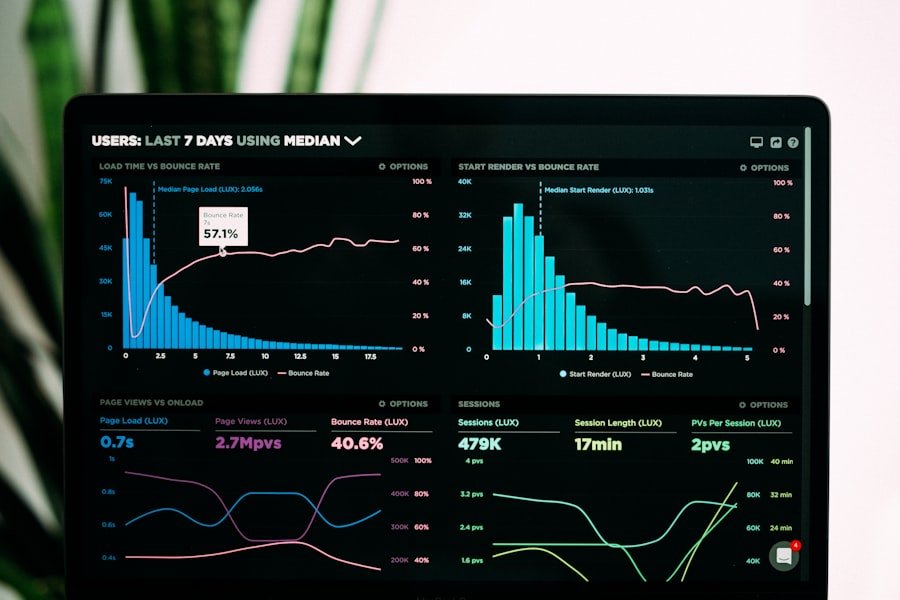
Develop intuitive, role-specific dashboards that present key performance indicators (KPIs) clearly and concisely. A CMO might need a holistic view of brand health and overall ROI, while a campaign manager requires detailed insights into ad spend efficiency and conversion rates. Use visual cues (e.g., green/yellow/red indicators) to instantly highlight performance status against targets.
Regular Performance Reviews
Implement a cadence of performance reviews – weekly, bi-weekly, or monthly – where teams and individuals present their progress against agreed-upon metrics. These aren’t inquisitions but rather forums for shared learning, problem-solving, and reaffirming commitments.
Embedding Accountability Through Governance Models
Data integrity and structured processes are futile without a robust governance model that truly enforces accountability. This requires defining ownership, establishing clear consequences, and fostering a culture of responsibility.
Role-Based Ownership of Metrics
Every critical performance metric must have a named owner. This individual or team is responsible for the metric’s performance, data accuracy, and the development/execution of strategies to meet its target. Imagine a ship’s captain; every station has a designated officer responsible for its function.
The “Metric Owner” Mandate
The metric owner isn’t just a reporter; they are an active steward. Their mandate includes:
- Defining the metric and its calculation methodology.
- Monitoring its performance and identifying trends.
- Troubleshooting deviations from targets.
- Proposing and executing corrective actions.
- Communicating performance status and insights to stakeholders.
Decision-Making Frameworks Linked to Data
Empower teams to make decisions based on performance data, but within a defined framework. Establish clear thresholds for intervention, escalation paths for underperformance, and protocols for strategy adjustments. This reduces ambiguity and speeds up corrective action.
Example: Dynamic Budget Allocation
If campaign A consistently underperforms its ROAS target by 20% over two consecutive reporting periods, the governance model might dictate an automatic reallocation of a percentage of its budget to a better-performing campaign B, or trigger a mandatory strategy review by the dedicated metric owner.
Consequences and Recognition
Accountability isn’t truly embedded without both positive and negative reinforcement.
Addressing Underperformance
For persistent underperformance, the governance model must define clear steps:
- Root Cause Analysis: What specific factors caused the shortfall?
- Action Plan Development: What concrete steps will be taken to rectify the situation?
- Escalation: If repeated attempts at resolution fail, what is the next level of management involved?
- HR Accountability Reset (as per 2026 outlook): This might involve HR intervention to address “mediocrity normalization,” ensuring that sustained underperformance truly leads to consequences, not just continued employment without impact [3].
Rewarding High Performance
Equally important is to recognize and reward teams and individuals who consistently exceed their performance targets. This reinforces desired behaviors and motivates further excellence. Public recognition, bonuses, or career development opportunities can be powerful motivators.
In the realm of performance analytics, the importance of driving accountability at scale cannot be overstated, as highlighted in a related article on modern apparel manufacturing. This piece discusses how data-driven strategies can enhance operational efficiency and foster a culture of responsibility within teams. For those interested in exploring this topic further, you can read more about it in the article on modern apparel manufacturing. By leveraging analytics effectively, organizations can ensure that every team member is aligned with their goals and accountable for their contributions.
Leveraging Analytics for Continuous Improvement and Strategic Adaptation
| Metric | Description | Measurement Frequency | Target Benchmark | Accountability Owner |
|---|---|---|---|---|
| Employee Productivity Index | Measures output relative to input time and resources | Monthly | 85% efficiency | Team Leads |
| Goal Completion Rate | Percentage of set goals achieved within the timeframe | Quarterly | 90% | Department Heads |
| Quality Compliance Score | Rate of adherence to quality standards and protocols | Monthly | 95% | Quality Assurance Managers |
| Customer Satisfaction Index | Aggregate score from customer feedback and surveys | Monthly | 4.5 out of 5 | Customer Service Managers |
| On-Time Delivery Rate | Percentage of projects or tasks completed by deadline | Monthly | 98% | Project Managers |
| Employee Engagement Score | Measures employee motivation and commitment levels | Bi-Annual | 75% or higher | HR Managers |
| Training Completion Rate | Percentage of employees completing required training | Quarterly | 100% | Learning & Development |
| Issue Resolution Time | Average time taken to resolve reported issues | Monthly | Less than 24 hours | Support Teams |
Performance analytics should not be static; it must fuel a continuous cycle of learning, adaptation, and optimization. This iterative approach is critical for sustained growth and market leadership. Think of your analytics as a compass guiding a dynamic exploration.
A/B Testing and Experimentation
Systematically test different hypotheses for improving performance. This could involve trying new messaging, audience segments, creative formats, or pricing strategies. Maintain a rigorous experimentation roadmap and use analytics to objectively evaluate results.
Controlled Experiments for Marketing Efficacy
For example, a marketing team tests two different landing page designs (A and B) for a new product launch. Performance analytics track conversion rates, bounce rates, and time on page for both. If page B significantly outperforms A, resources are shifted, and page B becomes the standard, demonstrating direct iteration based on data.
Predictive Analytics and Foresight
Move beyond historical reporting to leverage predictive models. Forecast future performance, identify potential risks, and proactively adjust strategies. This shifts your organization from reactive to proactive, providing a competitive edge.
Churn Prediction Models
Using historical customer data and behavioral patterns, predictive analytics can identify customers at high risk of churn, allowing your team to deploy targeted retention campaigns before they leave.
Benchmarking and External Context
While internal metrics are crucial, external benchmarks provide vital context. How does your performance compare to industry averages, competitors, or best-in-class organizations? This helps identify areas for improvement and ensures your targets remain ambitious and relevant.
The Future of Performance Accountability: Beyond the Spreadsheet
The landscape of performance analytics is evolving, driven by new technologies and increasing demands for transparency. Federal initiatives in higher education, for instance, are developing new frameworks to hold institutions accountable via performance metrics [4]. This trend will only intensify, impacting every sector.
AI and Machine Learning for Deeper Insights
AI and ML will increasingly automate data analysis, identify complex correlations, and surface insights that human analysts might miss. Expect sophisticated anomaly detection, sentiment analysis of customer feedback, and highly personalized performance recommendations.
Real-Time Performance Feedback
The aspiration is to provide decision-makers with near real-time performance feedback, enabling immediate course correction rather than retrospective analysis. This will demand even more sophisticated integration and processing capabilities.
Conclusion: Building an Unshakeable Foundation of Performance
Driving accountability at scale isn’t an aspiration; it’s a strategic imperative. It requires a commitment to a unified data ecosystem, a formal performance lifecycle, robust governance, and a culture of continuous improvement. By establishing a “one source of truth,” assigning clear ownership of metrics, and embedding data-driven decision-making into your organizational DNA, you transform performance analytics from a reporting function into a powerful engine of strategic execution.
Your organization stands at a critical juncture. Will you simply track metrics, or will you leverage them to forge an unshakeable foundation of accountability and achieve truly scalable growth? The answer lies in the rigor with which you implement these principles.
References:
[1] Edward Kim, Private Markets Performance Challenges (Feb 2026)
[2] OPM, Federal Worker Ratings Overhaul Proposals (Feb 2026)
[3] CHROs, HR Accountability Reset Outlook (2026)
[4] One Big Beautiful Bill Act, Higher Ed Accountability Frameworks (Recent Analyses)
FAQs
What is performance analytics in the context of driving accountability?
Performance analytics refers to the systematic collection, analysis, and reporting of data related to individual or organizational performance. It helps identify strengths, weaknesses, and areas for improvement, thereby fostering accountability by making performance transparent and measurable.
How does performance analytics help drive accountability at scale?
By leveraging data-driven insights, performance analytics enables organizations to monitor and evaluate the performance of large teams or multiple departments simultaneously. This scalability ensures consistent standards, timely feedback, and informed decision-making across the entire organization, promoting accountability at every level.
What types of data are typically used in performance analytics?
Performance analytics commonly uses quantitative data such as key performance indicators (KPIs), productivity metrics, quality scores, and customer feedback. It may also incorporate qualitative data like employee surveys and peer reviews to provide a comprehensive view of performance.
What tools or technologies support performance analytics?
Various software platforms and tools support performance analytics, including business intelligence (BI) software, data visualization tools, and specialized performance management systems. These technologies facilitate data collection, real-time analysis, and reporting to help organizations track and improve performance effectively.
What are the benefits of implementing performance analytics for organizations?
Implementing performance analytics helps organizations improve transparency, enhance decision-making, identify training needs, and align individual goals with organizational objectives. It also fosters a culture of accountability, drives continuous improvement, and can lead to increased productivity and better overall business outcomes.