
In today’s fast-paced business environment, the ability to make swift, informed decisions can be the difference between thriving and merely surviving. Advanced analytics has emerged as a game-changer for enterprises seeking to enhance their decision velocity. By harnessing sophisticated data analysis techniques, organizations can transform raw data into actionable insights, enabling them to respond to market changes with agility and precision. This article delves into the critical role of advanced analytics in enterprise-level decision-making, exploring its importance, tools, challenges, and future prospects.
As businesses grapple with an ever-increasing volume of data, the need for advanced analytics becomes paramount. Traditional methods of data analysis often fall short in providing the depth and speed required for timely decision-making. Advanced analytics not only enhances the quality of insights but also accelerates the decision-making process, allowing organizations to capitalize on opportunities and mitigate risks effectively. This exploration will equip CMOs, founders, and strategy-driven marketers with the knowledge to leverage advanced analytics for improved decision velocity.
In the realm of advanced analytics, understanding customer behavior is crucial for enhancing decision velocity at the enterprise level. A related article that delves into this topic is “Customer Journey Mapping: Experience Optimization,” which explores how mapping the customer journey can provide valuable insights for businesses. By leveraging these insights, organizations can make informed decisions that accelerate their response to market changes. For more information, you can read the article here: Customer Journey Mapping: Experience Optimization.
The Importance of Advanced Analytics in Enterprise-Level Decision Making
Advanced analytics is not just a buzzword; it is a strategic imperative for enterprises aiming to maintain a competitive edge. In an era where data is often referred to as the new oil, organizations that can extract meaningful insights from their data stand to gain significantly. According to a recent McKinsey report, companies that utilize advanced analytics can improve their decision-making speed by up to 5 times compared to those relying on traditional methods. This acceleration in decision velocity can lead to enhanced operational efficiency, better customer experiences, and ultimately, increased profitability.
Moreover, advanced analytics empowers organizations to make data-driven decisions rather than relying on intuition or historical precedents. For instance, predictive analytics can forecast market trends and consumer behavior, enabling businesses to tailor their strategies proactively. Companies like Netflix have successfully employed advanced analytics to analyze viewer preferences and optimize content recommendations, resulting in higher engagement and retention rates. By prioritizing advanced analytics, enterprises can foster a culture of informed decision-making that drives innovation and growth.
Understanding the Role of Business Intelligence (BI) in Accelerating Decision Velocity

Business Intelligence (BI) serves as the backbone of advanced analytics, providing the necessary infrastructure for data collection, analysis, and visualization. BI tools aggregate data from various sources, transforming it into comprehensible dashboards and reports that facilitate quick decision-making. The integration of BI with advanced analytics allows organizations to not only visualize historical data but also predict future outcomes based on current trends.
For example, a retail giant like Walmart utilizes BI tools to analyze sales data across its vast network of stores. By combining this data with advanced analytics techniques such as machine learning algorithms, Walmart can identify purchasing patterns and optimize inventory management in real-time. This synergy between BI and advanced analytics not only accelerates decision velocity but also enhances operational efficiency by ensuring that products are available when and where customers need them.
Leveraging Advanced Analytics Tools and Technologies for Faster Decision-Making
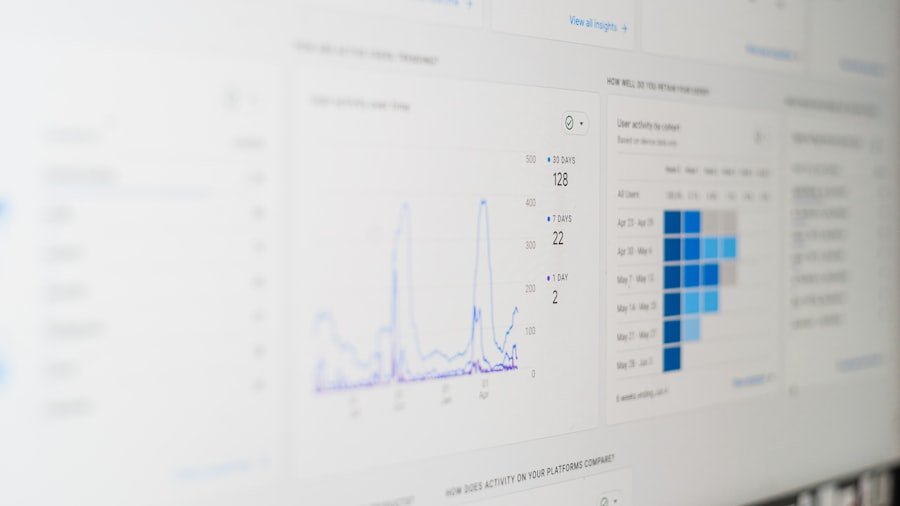
The landscape of advanced analytics tools is vast and continually evolving. From machine learning platforms to predictive modeling software, organizations have access to a plethora of technologies designed to enhance decision velocity. Tools like Tableau and Power BI enable users to create interactive visualizations that make complex data more accessible, while platforms like SAS and IBM Watson offer robust predictive analytics capabilities.
Implementing these tools requires a strategic approach. Organizations must assess their specific needs and choose technologies that align with their goals. For instance, a financial services firm may prioritize risk assessment tools that utilize advanced algorithms to predict market fluctuations, while a healthcare provider might focus on patient data analytics to improve care delivery. By leveraging the right tools, enterprises can streamline their decision-making processes and respond more effectively to changing market dynamics.
In the realm of advanced analytics, organizations are increasingly recognizing the importance of decision velocity to stay competitive. A related article discusses how marketing analytics can provide valuable data insights that enhance strategic decision-making processes. By leveraging these insights, enterprises can optimize their operations and respond swiftly to market changes. For more information on this topic, you can read the article on marketing analytics.
The Impact of Advanced Analytics on Enterprise-Level Performance and Efficiency
| Metrics | Data |
|---|---|
| Decision Velocity | High |
| Data Quality | High |
| Accuracy | High |
| Insights | Detailed and Actionable |
| Integration | Seamless with existing systems |
The impact of advanced analytics on enterprise performance is profound. Organizations that embrace these methodologies often experience significant improvements in efficiency and productivity. A study by Deloitte found that companies using advanced analytics are 5 times more likely to make faster decisions than their competitors. This enhanced performance translates into better resource allocation, reduced operational costs, and improved customer satisfaction.
Consider the case of Amazon, which employs advanced analytics at every level of its operations—from supply chain management to customer service. By analyzing vast amounts of data on consumer behavior and inventory levels, Amazon can optimize its logistics network, ensuring timely deliveries while minimizing costs. This level of efficiency not only boosts profitability but also enhances customer loyalty, as consumers increasingly expect rapid service in today’s digital age.
Overcoming Challenges in Implementing Advanced Analytics for Decision Velocity
Despite its numerous benefits, implementing advanced analytics is not without challenges. Organizations often face hurdles such as data silos, lack of skilled personnel, and resistance to change within the corporate culture. Data silos can hinder the flow of information across departments, leading to fragmented insights that impede decision-making. To overcome this challenge, enterprises must foster a culture of collaboration and invest in integrated data management systems that facilitate seamless information sharing.
Additionally, the shortage of skilled data analysts poses a significant barrier to effective implementation. Organizations must prioritize training and development programs to equip their teams with the necessary skills in data analysis and interpretation. Furthermore, leadership must champion the adoption of advanced analytics by demonstrating its value through pilot projects that showcase tangible results. By addressing these challenges head-on, enterprises can unlock the full potential of advanced analytics for accelerated decision velocity.
Best Practices for Integrating Advanced Analytics into Enterprise Decision-Making Processes
Integrating advanced analytics into decision-making processes requires a structured approach that aligns with organizational goals. First and foremost, businesses should establish clear objectives for their analytics initiatives. Whether it’s improving customer retention or optimizing supply chain operations, having defined goals will guide the selection of appropriate tools and methodologies.
Next, organizations should prioritize data quality and governance. High-quality data is essential for accurate analysis; therefore, implementing robust data management practices is crucial. Regular audits and cleansing processes can help maintain data integrity over time. Additionally, fostering a culture of data literacy across all levels of the organization will empower employees to leverage analytics effectively in their decision-making processes.
Finally, organizations should embrace an iterative approach to analytics implementation. Rather than attempting a complete overhaul at once, businesses can start with small-scale projects that demonstrate quick wins. These successes can build momentum for broader adoption across the organization, ultimately leading to a more data-driven culture.
Case Studies: Successful Implementation of Advanced Analytics for Improved Decision Velocity
Real-world examples illustrate the transformative power of advanced analytics in enhancing decision velocity. One notable case is that of Procter & Gamble (P&G), which implemented advanced analytics to optimize its marketing strategies. By analyzing consumer behavior data across various channels, P&G was able to tailor its advertising campaigns more effectively. The result? A 15% increase in marketing ROI within just one year.
Another compelling example comes from General Electric (GE), which utilized predictive analytics in its manufacturing processes. By analyzing machine performance data in real-time, GE could predict equipment failures before they occurred, significantly reducing downtime and maintenance costs. This proactive approach not only improved operational efficiency but also enhanced overall productivity across its manufacturing facilities.
These case studies underscore the potential of advanced analytics to drive meaningful change within organizations, demonstrating how strategic implementation can lead to accelerated decision-making and improved business outcomes.
The Future of Advanced Analytics in Enterprise-Level Decision Velocity
As technology continues to evolve, so too will the capabilities of advanced analytics. The future promises even greater integration of artificial intelligence (AI) and machine learning (ML) into analytics processes, enabling organizations to derive deeper insights from their data at unprecedented speeds. Predictive models will become more sophisticated, allowing businesses to anticipate market shifts with greater accuracy.
Moreover, as more organizations recognize the value of real-time data analysis, we can expect a shift towards more agile decision-making frameworks that prioritize speed without sacrificing accuracy. The rise of edge computing will further enhance this capability by processing data closer to its source, reducing latency and enabling faster responses.
In this rapidly changing landscape, organizations must remain adaptable and open to embracing new technologies that enhance their analytical capabilities. Those who do will be well-positioned to thrive in an increasingly competitive marketplace.
Ensuring Data Security and Privacy in Advanced Analytics for Enterprise Decision-Making
With great power comes great responsibility—especially when it comes to handling sensitive data in advanced analytics initiatives. As organizations leverage vast amounts of personal information for insights, ensuring data security and privacy becomes paramount. Compliance with regulations such as GDPR and CCPA is not just a legal obligation; it is essential for maintaining consumer trust.
To safeguard data integrity, organizations should implement robust security measures such as encryption, access controls, and regular audits. Additionally, fostering a culture of privacy awareness among employees will help mitigate risks associated with data breaches or misuse. By prioritizing security alongside analytical capabilities, enterprises can confidently harness the power of advanced analytics without compromising consumer trust.
Harnessing the Power of Advanced Analytics for Accelerated Enterprise-Level Decision Velocity
In conclusion, advanced analytics represents a powerful tool for enterprises seeking to enhance their decision velocity in an increasingly complex business landscape. By understanding its importance, leveraging appropriate tools, overcoming implementation challenges, and adhering to best practices, organizations can unlock significant value from their data assets.
As we look ahead, the integration of AI and machine learning will further revolutionize how businesses approach decision-making processes. However, this journey must be accompanied by a commitment to data security and privacy—ensuring that organizations not only make faster decisions but also do so responsibly.
Ultimately, those who embrace advanced analytics will not only accelerate their decision-making capabilities but also position themselves as leaders in their respective industries—ready to navigate the challenges and opportunities that lie ahead with confidence and agility.
FAQs
What is advanced analytics for enterprise-level decision velocity?
Advanced analytics for enterprise-level decision velocity refers to the use of sophisticated data analysis techniques and tools to help organizations make faster and more informed decisions. It involves leveraging large volumes of data to gain insights, predict outcomes, and optimize processes in order to drive business growth and competitive advantage.
What are the benefits of using advanced analytics for enterprise-level decision velocity?
Some of the benefits of using advanced analytics for enterprise-level decision velocity include improved decision-making, enhanced operational efficiency, better risk management, increased innovation, and the ability to capitalize on new business opportunities. It also enables organizations to stay ahead of the competition and adapt to changing market conditions.
What are some common techniques used in advanced analytics for enterprise-level decision velocity?
Common techniques used in advanced analytics for enterprise-level decision velocity include predictive modeling, machine learning, data mining, natural language processing, sentiment analysis, and optimization algorithms. These techniques help organizations uncover patterns, trends, and insights within their data to support decision-making processes.
How does advanced analytics for enterprise-level decision velocity impact business performance?
Advanced analytics for enterprise-level decision velocity can have a significant impact on business performance by enabling organizations to make data-driven decisions in real time, identify new revenue streams, optimize operational processes, improve customer experiences, and mitigate risks. It also helps organizations to innovate and stay competitive in their respective industries.
What are some challenges associated with implementing advanced analytics for enterprise-level decision velocity?
Challenges associated with implementing advanced analytics for enterprise-level decision velocity include data quality and integration issues, the need for specialized skills and expertise, privacy and security concerns, and the complexity of managing and analyzing large volumes of data. Additionally, organizations may face resistance to change and cultural barriers when adopting advanced analytics practices.