
In an era where content consumption is rapidly evolving, a brand podcast can serve as a powerful tool for engagement and storytelling. The primary purpose of your podcast should be to create a deeper connection with your audience, offering them valuable insights that resonate with their needs and interests. Unlike traditional marketing channels, a podcast allows for a more intimate and personal interaction, fostering trust and loyalty.
By sharing your brand’s narrative, you can position yourself as an industry thought leader while simultaneously humanizing your brand. Moreover, a well-crafted podcast can serve multiple purposes: it can educate, entertain, and inspire. For instance, consider how brands like HubSpot have leveraged their podcasts to not only share marketing insights but also to build a community around their brand.
By understanding the multifaceted purpose of your podcast, you can create content that not only aligns with your brand values but also meets the expectations of your audience.
Key Takeaways
- Understanding the purpose of your brand podcast is crucial for creating content that aligns with your brand’s goals and values.
- Identifying your target audience helps you tailor your content to meet their needs and interests, increasing engagement and loyalty.
- Choosing the right format for your brand podcast, whether it’s interviews, storytelling, or solo commentary, can impact how your audience connects with your brand.
- Selecting the right equipment and software is essential for producing high-quality audio that reflects positively on your brand.
- Planning and scripting your brand podcast episodes in advance can help maintain consistency and ensure your content is engaging and on-brand.
Identifying Your Target Audience
Before diving into the technical aspects of podcasting, it’s crucial to identify who you are speaking to. Understanding your target audience is the cornerstone of any successful marketing strategy, and podcasts are no exception. Start by creating detailed personas that encapsulate the demographics, interests, and pain points of your ideal listeners.
This will guide your content creation and ensure that you are addressing the specific needs of your audience. For example, if your brand targets young professionals in the tech industry, your podcast should focus on topics that resonate with their career aspirations and challenges. Conduct surveys or interviews to gather insights directly from your audience.
This data-driven approach will not only help you tailor your content but also enhance listener engagement, as they will feel that their voices are being heard and valued.
Choosing the Right Format for Your Brand Podcast

The format of your podcast can significantly influence its success. There are various formats to consider: interviews, solo episodes, panel discussions, or narrative storytelling. Each format has its unique advantages and can cater to different audience preferences.
For instance, interview-style podcasts can provide diverse perspectives and expert insights, while narrative storytelling can create a compelling emotional connection with listeners. When selecting a format, consider what aligns best with your brand’s voice and the preferences of your target audience. If you’re aiming for a more conversational tone, interviews might be the way to go.
Alternatively, if you want to delve deep into specific topics, a solo format could allow for more in-depth exploration. Experimenting with different formats can also keep your content fresh and engaging, encouraging listeners to return for more.
Selecting the Right Equipment and Software
Investing in quality equipment is essential for producing a professional-sounding podcast. At a minimum, you’ll need a good microphone, headphones, and audio recording software. USB microphones like the Blue Yeti or Audio-Technica AT2020 are popular choices among podcasters for their affordability and sound quality.
Additionally, using headphones during recording helps catch any background noise or audio issues in real-time. On the software side, programs like Audacity or GarageBand offer user-friendly interfaces for recording and editing your episodes. As you grow more comfortable with podcasting, you might explore advanced software like Adobe Audition for more intricate editing capabilities.
Remember that high-quality audio is non-negotiable; poor sound quality can turn off potential listeners before they even get to your content.
Planning and Scripting Your Brand Podcast Episodes
A well-structured episode is key to maintaining listener engagement. Start by outlining the main topics you want to cover in each episode. This will serve as a roadmap for your discussion and help keep you on track.
While some podcasters prefer a loose structure to allow for spontaneity, having a clear plan can prevent rambling and ensure that you deliver valuable content efficiently. Scripting doesn’t mean you have to read verbatim; rather, it’s about having key points and transitions prepared in advance. This approach allows for a natural flow while ensuring that you cover all essential topics.
For example, if you’re discussing industry trends, prepare statistics or case studies to back up your claims. This not only adds credibility but also enriches the listening experience by providing tangible takeaways.
Recording and Editing Your Brand Podcast
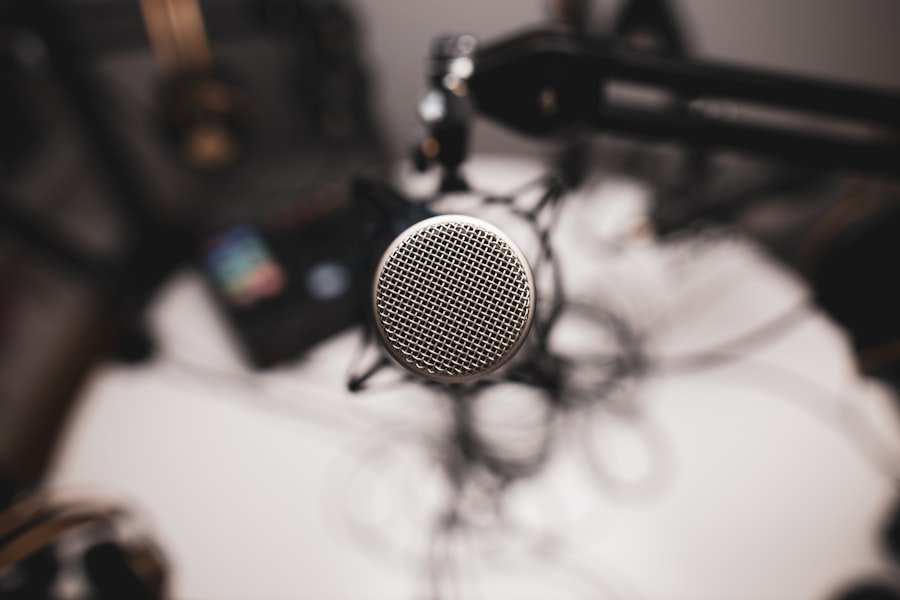
Once you’ve planned your episodes, it’s time to hit the record button. Choose a quiet space free from distractions to ensure optimal sound quality. When recording, speak clearly and at a steady pace; remember that enthusiasm is contagious, so let your passion for the topic shine through.
If you’re conducting interviews, make sure to engage with your guest actively—this will create a more dynamic conversation. Editing is where the magic happens. Use editing software to cut out any awkward pauses or mistakes, ensuring a polished final product.
Adding background music or sound effects can enhance the listening experience but use them sparingly; they should complement rather than overshadow your content. Aim for a final product that flows seamlessly while maintaining clarity and engagement throughout.
Creating Eye-catching Podcast Artwork and Branding
Visual branding plays a crucial role in attracting listeners to your podcast. Your podcast artwork should be eye-catching and reflective of your brand identity. It’s often the first impression potential listeners will have of your show, so invest time in creating an appealing design that stands out in crowded podcast directories.
Consider hiring a graphic designer or using tools like Canva to create professional-looking artwork. Ensure that it meets the specifications required by major platforms like Apple Podcasts or Spotify. Consistency in branding across all platforms—social media, website, and podcast artwork—will reinforce your brand identity and make it easier for listeners to recognize your content.
Choosing the Right Hosting Platform for Your Brand Podcast
Selecting the right hosting platform is critical for distributing your podcast effectively. A reliable hosting service will store your audio files and generate an RSS feed that allows platforms like Apple Podcasts and Spotify to access your episodes. Look for features such as analytics tools, ease of use, and customer support when evaluating different hosting options.
Popular hosting platforms like Libsyn, Podbean, or Anchor offer various pricing plans based on your needs. Some even provide monetization options if you plan to generate revenue from sponsorships or listener donations in the future. Take the time to research each platform’s features thoroughly; choosing the right one can streamline your podcasting process significantly.
Promoting and Marketing Your Brand Podcast
Creating great content is only half the battle; effective promotion is essential for growing your audience. Leverage social media platforms to share snippets of your episodes or behind-the-scenes content that engages potential listeners. Collaborating with other podcasters or influencers in your niche can also expand your reach and introduce your show to new audiences.
Consider creating a dedicated website or landing page for your podcast where listeners can find show notes, episode transcripts, and additional resources related to each episode. Email marketing is another powerful tool; send out newsletters featuring episode highlights or exclusive content to keep your audience engaged between releases.
Engaging with Your Brand Podcast Audience
Engagement doesn’t stop once an episode is released; it’s an ongoing process that fosters community around your brand podcast. Encourage listeners to leave reviews or feedback on platforms like Apple Podcasts; this not only boosts visibility but also provides valuable insights into what resonates with your audience. Utilize social media channels to interact with listeners directly—ask questions related to episode topics or create polls about future content ideas.
Hosting live Q&A sessions or webinars can further deepen this connection by allowing listeners to engage with you in real-time.
Analyzing and Improving Your Brand Podcast’s Performance
Finally, regularly analyzing your podcast’s performance is crucial for continuous improvement. Most hosting platforms provide analytics that reveal listener demographics, episode downloads, and engagement metrics. Use this data to identify which episodes resonate most with your audience and adjust future content accordingly.
Don’t hesitate to experiment with different formats or topics based on listener feedback and performance metrics. The podcasting landscape is ever-evolving; staying attuned to trends and audience preferences will ensure that your brand remains relevant and engaging. In summary, launching a successful brand podcast requires careful planning and execution across multiple facets—from understanding its purpose to engaging with listeners post-release.
As you embark on this journey, remember: every episode is an opportunity to connect, educate, and inspire—make each one count.
Creating a podcast for your brand can be a powerful way to engage with your audience and build a loyal following. However, to maximize the effectiveness of your podcast, it’s essential to integrate it with other marketing strategies. One such strategy is the use of marketing automation, which can streamline your promotional efforts and ensure that your podcast reaches the right audience at the right time. For more insights on how to implement marketing automation effectively, you might find the article on Marketing Automation and CRM Implementation particularly useful. This resource provides valuable information on how to enhance your marketing processes, which can complement your podcasting efforts and help you achieve your brand’s goals.
FAQs
What is a podcast?
A podcast is a digital audio or video file that is available for streaming or download on the internet. It is typically a series of episodes that can be subscribed to and listened to on a computer or mobile device.
Why should I create a podcast for my brand?
Creating a podcast for your brand can help you reach a wider audience, establish your brand as an authority in your industry, and engage with your audience in a more personal and interactive way.
What equipment do I need to create a podcast?
To create a podcast, you will need a microphone, headphones, recording software, and a quiet space to record. You may also want to invest in a pop filter and a microphone stand for better sound quality.
How do I choose a topic for my brand’s podcast?
When choosing a topic for your brand’s podcast, consider what your target audience is interested in and what expertise or insights your brand can provide. You can also conduct market research or surveys to gather feedback on potential podcast topics.
How do I promote my brand’s podcast?
To promote your brand’s podcast, you can leverage your existing marketing channels such as social media, email newsletters, and your website. You can also collaborate with influencers or other podcasters in your industry to cross-promote each other’s content.
What are the best practices for creating a successful podcast for my brand?
Some best practices for creating a successful podcast for your brand include being consistent with your publishing schedule, engaging with your audience through listener feedback and questions, and continuously improving the quality of your content and production.



2 replies on “How to Create a Podcast for Your Brand”
I rattling delighted to find this internet site on bing, just what I was searching for : D too saved to favorites.
We’re so glad you found us and that our site was just what you were looking for! Thanks for adding us to your favorites—it means a lot. We hope you’ll keep visiting and enjoying the new content we share!