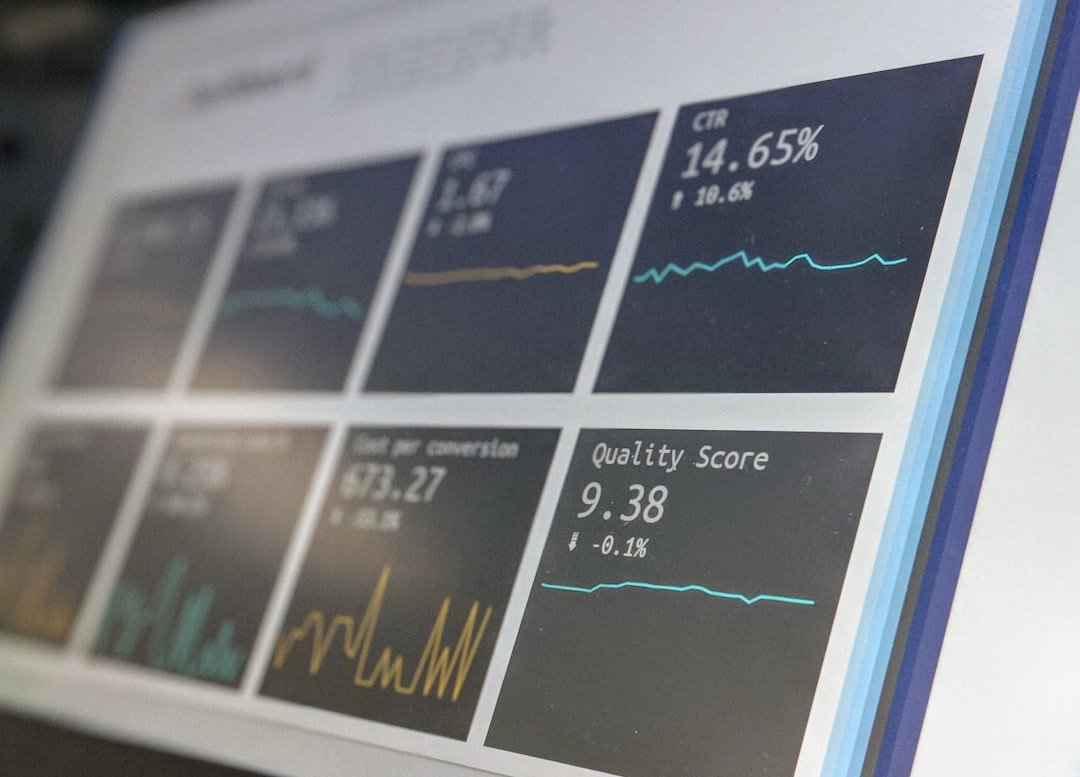
In today’s hyper-competitive landscape, marketing data is not just a luxury; it’s a necessity. The ability to collect, analyze, and act on data can be the difference between a thriving business and one that struggles to keep pace. Marketing data provides insights into customer behavior, market trends, and campaign effectiveness, enabling organizations to make informed decisions that drive growth. According to a report by McKinsey, companies that leverage data-driven marketing are six times more likely to be profitable year-over-year. This statistic underscores the critical role that data plays in shaping marketing strategies and achieving business objectives.
Moreover, understanding the importance of marketing data extends beyond mere collection. It involves interpreting that data to uncover actionable insights. For instance, a retail brand that analyzes customer purchase patterns can tailor its inventory and promotional strategies to meet consumer demand more effectively. By harnessing the power of marketing data, businesses can not only enhance customer experiences but also optimize their operational efficiencies. In essence, marketing data serves as the backbone of strategic decision-making, allowing organizations to pivot quickly in response to market changes.
In the quest to enhance enterprise-level intelligence through marketing data, it’s essential to consider various strategies that can optimize operational efficiency. A related article that delves into this topic is “Strategies for SMEs to Improve Operational Efficiency,” which provides valuable insights on how small and medium-sized enterprises can leverage data-driven approaches to streamline their operations. You can read more about these strategies by visiting the article here: Strategies for SMEs to Improve Operational Efficiency.
Implementing Marketing Analytics for Business Intelligence
Implementing marketing analytics is a transformative step toward achieving robust business intelligence. It involves utilizing various tools and methodologies to analyze marketing data and derive insights that inform strategic decisions. The first step in this process is selecting the right analytics tools that align with your business goals. Platforms like Google Analytics, HubSpot, and Tableau offer powerful capabilities for tracking customer interactions and visualizing data trends. By integrating these tools into your marketing strategy, you can gain a comprehensive view of your performance metrics.
Once the tools are in place, the next phase is to establish a framework for continuous analysis. This means not only collecting data but also regularly reviewing it to identify patterns and anomalies. For example, a SaaS company might track user engagement metrics over time to determine which features drive the most value for customers. By analyzing this data, they can prioritize product development efforts and enhance user satisfaction. Ultimately, implementing marketing analytics fosters a culture of data-driven decision-making, empowering teams to act on insights rather than intuition.
Identifying Key Metrics for Enterprise-Level Intelligence

Identifying key metrics is crucial for any enterprise aiming to harness the full potential of its marketing data. These metrics serve as benchmarks for evaluating performance and guiding strategic initiatives. Commonly used metrics include Customer Acquisition Cost (CAC), Customer Lifetime Value (CLV), and Return on Marketing Investment (ROMI). Each of these metrics provides valuable insights into different aspects of the customer journey and overall business health.
For instance, understanding CAC allows businesses to assess the efficiency of their marketing spend. If a company finds that its CAC is rising without a corresponding increase in CLV, it may need to reevaluate its marketing strategies or channels. Similarly, tracking ROMI helps organizations determine which campaigns yield the highest returns, enabling them to allocate resources more effectively. By focusing on these key metrics, enterprises can create a data-driven framework that supports informed decision-making and drives sustainable growth.
Integrating Marketing Data with Business Intelligence Systems
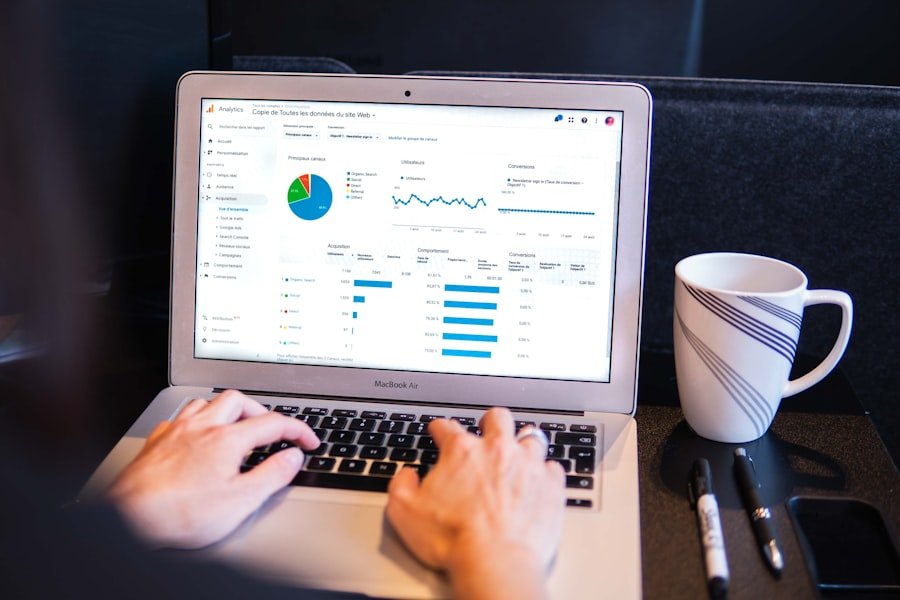
Integrating marketing data with business intelligence (BI) systems is a game-changer for organizations seeking a holistic view of their operations. BI systems aggregate data from various sources, providing a centralized platform for analysis and reporting. By integrating marketing data into these systems, businesses can break down silos and foster collaboration across departments. This integration allows for a more comprehensive understanding of how marketing efforts impact overall business performance.
For example, consider a manufacturing company that integrates its marketing data with sales and inventory systems. By doing so, they can analyze how marketing campaigns influence sales trends and inventory turnover rates. This insight enables them to optimize production schedules and reduce excess inventory costs. Furthermore, integrating marketing data with BI systems enhances forecasting accuracy, allowing organizations to anticipate market shifts and respond proactively.
In the quest to transform marketing data into actionable insights, businesses can benefit from exploring various strategies that enhance their decision-making processes. A related article discusses effective methods for optimizing eCommerce strategies, which can significantly contribute to the overall intelligence of an enterprise. By understanding these optimization techniques, companies can better leverage their marketing data to drive growth. For more information, you can read the article on eCommerce strategy optimization here.
Leveraging Customer Data for Strategic Decision Making
| Metrics | Data |
|---|---|
| Customer Acquisition Cost (CAC) | 200 |
| Customer Lifetime Value (CLV) | 500 |
| Conversion Rate | 25% |
| Return on Investment (ROI) | 30% |
Customer data is one of the most valuable assets a business can possess. It provides insights into preferences, behaviors, and pain points that can inform strategic decision-making. By leveraging customer data effectively, organizations can create personalized experiences that resonate with their target audience. This personalization not only enhances customer satisfaction but also drives loyalty and repeat business.
To leverage customer data effectively, businesses should employ segmentation strategies that categorize customers based on shared characteristics or behaviors. For instance, an e-commerce platform might segment its customers into groups based on purchase history or browsing behavior. This segmentation allows for targeted marketing campaigns that speak directly to each group’s interests and needs. Additionally, utilizing customer feedback through surveys or reviews can provide qualitative insights that complement quantitative data, further enriching the decision-making process.
In the quest to transform marketing data into actionable insights, understanding the importance of compliance and auditing can be crucial for enterprises. A related article that delves into this topic is available at Audit and Compliance for SMEs, which explores how small and medium-sized enterprises can navigate the complexities of data management while ensuring they meet regulatory standards. This knowledge not only enhances data integrity but also supports the overall goal of leveraging marketing data effectively.
Utilizing Predictive Analytics for Market Forecasting
Predictive analytics is revolutionizing how businesses approach market forecasting by using historical data to predict future outcomes. This powerful tool enables organizations to anticipate trends, identify potential challenges, and seize opportunities before they arise. By employing predictive analytics, companies can make proactive decisions that align with market dynamics rather than reactive ones that may lead to missed opportunities.
For example, a retail chain might use predictive analytics to forecast seasonal demand for specific products based on historical sales data and external factors such as economic indicators or weather patterns. By accurately predicting demand fluctuations, the retailer can optimize inventory levels and reduce stockouts or overstock situations. This not only enhances operational efficiency but also improves customer satisfaction by ensuring that popular products are readily available when customers want them.
Creating Customized Dashboards for Data Visualization
Data visualization is an essential component of effective marketing analytics, as it transforms complex datasets into easily digestible insights. Customized dashboards allow stakeholders to visualize key performance indicators (KPIs) at a glance, facilitating quicker decision-making processes. By tailoring dashboards to specific roles within the organization—such as marketing managers or executives—businesses can ensure that relevant information is readily accessible.
When creating customized dashboards, it’s important to focus on clarity and relevance. For instance, a dashboard designed for a CMO might highlight overall campaign performance metrics alongside customer acquisition trends, while a sales team dashboard could emphasize lead conversion rates and sales pipeline status. Tools like Tableau or Power BI offer robust capabilities for creating interactive dashboards that allow users to drill down into specific metrics for deeper analysis. Ultimately, effective data visualization empowers teams to act swiftly on insights and drive strategic initiatives forward.
Implementing Machine Learning for Advanced Data Analysis
Machine learning (ML) is at the forefront of advanced data analysis techniques that can significantly enhance marketing strategies. By leveraging algorithms that learn from historical data patterns, businesses can uncover insights that traditional analysis methods may overlook. Implementing machine learning allows organizations to automate processes such as customer segmentation, predictive modeling, and even content personalization.
For example, an online streaming service might use machine learning algorithms to analyze viewer preferences and behavior patterns. By doing so, they can recommend content tailored to individual users’ tastes, thereby increasing engagement and retention rates. Additionally, machine learning can help identify potential churn risks by analyzing user activity patterns over time. By proactively addressing these risks with targeted retention strategies, businesses can improve customer loyalty and reduce turnover.
Incorporating Marketing Data into Enterprise Resource Planning (ERP) Systems
Incorporating marketing data into Enterprise Resource Planning (ERP) systems is essential for achieving a unified view of business operations. ERP systems integrate various functions—such as finance, supply chain management, and human resources—into a single platform. By adding marketing data into this mix, organizations can enhance their decision-making capabilities across departments.
For instance, consider a manufacturing company that integrates its marketing data with its ERP system to track how promotional campaigns impact production schedules and inventory levels. This integration allows for better alignment between marketing initiatives and operational capabilities, ensuring that production meets demand generated by successful campaigns. Furthermore, having access to real-time marketing insights within the ERP system enables finance teams to make more informed budgeting decisions based on anticipated revenue from upcoming campaigns.
Ensuring Data Security and Compliance with Marketing Analytics
As businesses increasingly rely on marketing analytics, ensuring data security and compliance has become paramount. With regulations such as GDPR and CCPA governing how personal data is collected and used, organizations must prioritize compliance in their analytics strategies. Failing to do so not only risks legal repercussions but also damages brand reputation.
To ensure compliance, businesses should implement robust data governance frameworks that outline how customer data is collected, stored, and utilized. This includes obtaining explicit consent from customers before collecting their information and providing clear options for opting out of communications. Additionally, investing in cybersecurity measures—such as encryption and access controls—can help protect sensitive customer information from breaches or unauthorized access.
Measuring the Impact of Marketing Campaigns on Enterprise-Level Performance
Measuring the impact of marketing campaigns on enterprise-level performance is crucial for understanding their effectiveness and optimizing future initiatives. This involves not only tracking immediate outcomes—such as sales conversions—but also assessing long-term effects on brand equity and customer loyalty.
To measure campaign impact effectively, businesses should establish clear objectives before launching any initiative. For example, if the goal is to increase brand awareness among a specific demographic, metrics such as reach and engagement rates should be prioritized during analysis. Additionally, employing A/B testing can provide valuable insights into which campaign elements resonate most with target audiences. By continuously measuring campaign performance against established objectives, organizations can refine their strategies over time and maximize their return on investment.
In summary, leveraging marketing data is no longer optional; it’s essential for driving strategic decision-making in today’s competitive landscape. From implementing analytics tools to integrating customer insights into broader business intelligence systems, organizations must adopt a comprehensive approach to harnessing the power of data effectively. As we look ahead, those who prioritize data-driven strategies will not only navigate market complexities but also thrive in an ever-evolving business environment. The future belongs to those who embrace the transformative potential of marketing analytics—will your organization be among them?
FAQs
What is marketing data?
Marketing data refers to the information collected from various marketing activities, such as customer interactions, website traffic, social media engagement, and sales data. This data is used to analyze and understand customer behavior, preferences, and trends.
What is enterprise-level intelligence?
Enterprise-level intelligence refers to the process of analyzing and interpreting large volumes of data to gain insights that can be used to make strategic business decisions. This intelligence is used to drive business growth, improve customer experience, and optimize marketing strategies at a company-wide level.
How can marketing data be turned into enterprise-level intelligence?
To turn marketing data into enterprise-level intelligence, businesses can use advanced analytics tools and techniques to process and analyze the data. This may involve using machine learning algorithms, data visualization tools, and predictive modeling to uncover patterns, trends, and correlations within the data.
What are the benefits of turning marketing data into enterprise-level intelligence?
By turning marketing data into enterprise-level intelligence, businesses can gain a deeper understanding of their customers, market trends, and competitive landscape. This can lead to more informed decision-making, improved marketing strategies, and better overall business performance.
What are some common challenges in turning marketing data into enterprise-level intelligence?
Some common challenges in turning marketing data into enterprise-level intelligence include data quality issues, data silos within the organization, and the need for specialized skills and expertise in data analysis. Additionally, businesses may struggle with integrating data from multiple sources and ensuring data privacy and security compliance.