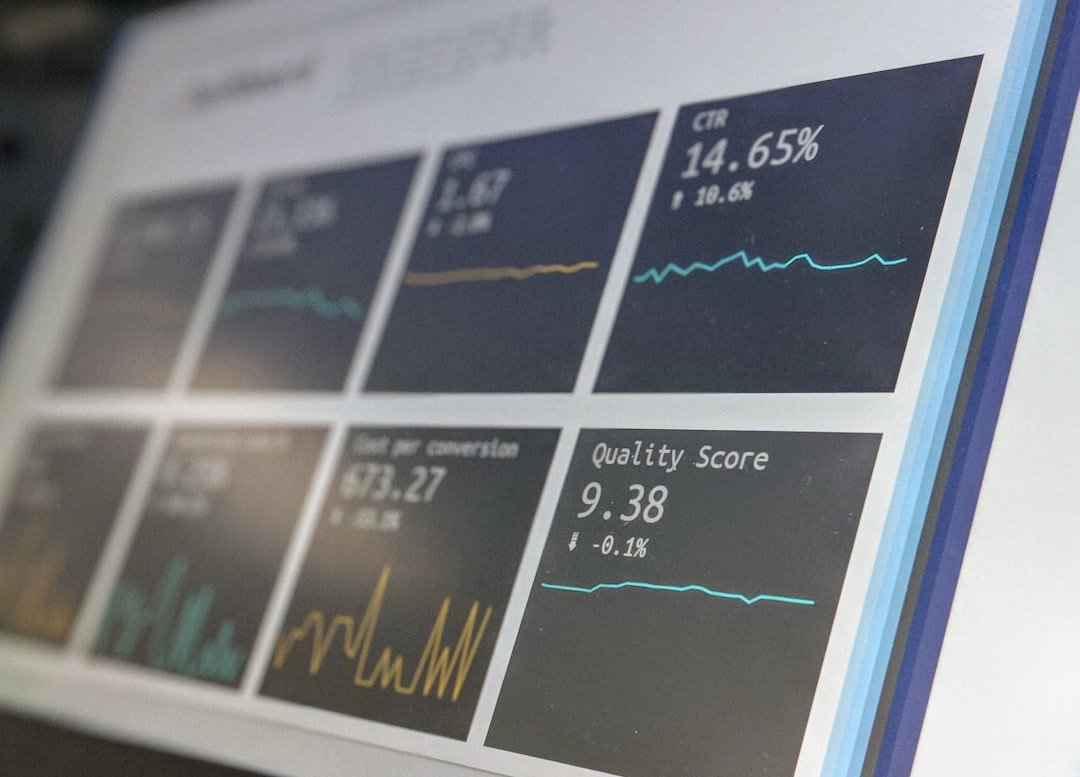
The digital marketing landscape is a vast ocean. To navigate it successfully, especially with paid advertising, requires more than just a compass; it demands a finely tuned instrument that charts a course directly to profitability. For today’s CMOs, founders, and strategy-driven marketers, the question isn’t if you should invest in Pay-Per-Click (PPC) advertising, but how you can ensure every dollar spent is a down payment on measurable success. This post will equip you with the strategic imperatives and actionable tactics to transform your PPC campaigns from mere expenses into powerful engines of revenue growth.
Many businesses approach PPC advertising as a reactive measure, a digital billboard hoping to catch the eye of passersby. This is a flawed premise. Effective PPC is a proactive, data-driven discipline, built on fundamental principles that, when rigorously applied, create a compounding effect on your Return on Investment (ROI). Think of it as constructing a skyscraper; a magnificent facade is useless without a deeply rooted, engineered foundation. Your PPC ROI is earned through strategic planning, meticulous execution, and continuous optimization, rather than a stroke of luck.
Decoding the Audience: Beyond Broad Strokes
The most common pitfall in PPC is the assumption that targeting broadly will yield a wider net of potential customers, thus more conversions. This is akin to fishing with a dragnet in a carefully curated aquarium – you catch a lot, but most of it is irrelevant. Precision is paramount. In an era of increasing privacy concerns and the deprecation of third-party cookies, leveraging your own data and understanding granular audience intent is no longer a luxury; it is a necessity.
Harnessing the Power of First-Party Data
Your customer relationship management (CRM) system is a goldmine. It contains the implicit and explicit preferences of individuals who have already engaged with your brand. Segmenting these audiences based on past purchase history, engagement levels, or expressed interests allows you to create highly targeted ad sets. For instance, if a customer recently purchased a product, you can serve them ads for complementary items or re-engage them with a loyalty offer, a far more profitable endeavor than broadcasting to a cold audience. Platforms like Google Ads and Meta Ads allow for sophisticated customer match uploads, enabling you to bid directly on your most valuable existing relationships.
Pay-Per-Click (PPC) advertising is a powerful tool for driving targeted traffic to your website, but understanding the customer journey is crucial for optimizing your campaigns. For insights into how customer journey mapping can enhance your PPC strategies, check out this informative article on experience optimization. It delves into the various stages of the customer journey and provides actionable tips for improving your advertising effectiveness. You can read more about it here: Customer Journey Mapping and Experience Optimization.
The Long Tail Advantage
While high-volume, broad keywords attract significant traffic, they often come with lower conversion rates and higher competition. The strategy lies in unearthing the long-tail keywords – more specific, multi-word phrases that indicate a clearer intent to purchase. Consider the difference between “shoes” and “men’s waterproof hiking boots size 10.” The latter, though searched less frequently, signals a buyer much closer to making a decision. Tools like Google Keyword Planner, SEMrush, and Ahrefs are invaluable for identifying these niche opportunities. By targeting these phrases with specific ad copy and landing pages, you increase your relevance, lower your Cost Per Acquisition (CPA), and thus elevate your ROI.
Intent-Based Segmentation: The Digital Footprint
Beyond keywords, understanding the intent behind a search is crucial. Are they researching, comparing, or ready to buy? This is where intent-based segmentation comes into play. Google’s intent categories, along with custom audience creation based on website behavior (e.g., visited product pages, abandoned cart), allow you to tailor your messaging. A user who has viewed your pricing page multiple times is a different prospect than someone who has only browsed your blog. Serving them ads that address their specific stage in the buyer’s journey—
FAQs
What is Pay-Per-Click (PPC) advertising?
Pay-Per-Click (PPC) advertising is an online marketing model where advertisers pay a fee each time their ad is clicked. It is commonly used to drive traffic to websites and increase visibility on search engines and other platforms.
How does PPC advertising work?
PPC advertising works by bidding on keywords relevant to a business or product. When users search for those keywords, ads appear in sponsored sections of search engine results or on partner websites. Advertisers are charged only when someone clicks on their ad.
What are the main platforms for PPC advertising?
The main platforms for PPC advertising include Google Ads, Bing Ads, and social media platforms like Facebook, Instagram, LinkedIn, and Twitter. Each platform offers different targeting options and ad formats.
What are the benefits of using PPC advertising?
PPC advertising offers benefits such as immediate visibility, targeted audience reach, measurable results, and control over budget and ad placement. It can help businesses increase website traffic, generate leads, and boost sales quickly.
How can businesses optimize their PPC campaigns?
Businesses can optimize PPC campaigns by conducting thorough keyword research, creating compelling ad copy, using negative keywords to filter irrelevant traffic, monitoring performance metrics, and continuously testing and adjusting bids and targeting strategies.