In the ever-evolving landscape of marketing, understanding your target audience is not just a step in the process; it is the foundation upon which all successful strategies are built. Knowing who your customers are, what they value, and how they behave can significantly enhance your marketing efforts. This understanding goes beyond basic demographics; it delves into psychographics, including interests, motivations, and pain points. For instance, a tech startup targeting millennials must recognize that this demographic values authenticity and social responsibility. By conducting thorough market research—surveys, focus groups, and data analytics—you can create detailed buyer personas that guide your marketing initiatives.
Moreover, understanding your audience allows for more effective segmentation. By categorizing your audience based on their behaviors and preferences, you can tailor your messaging to resonate with each group. For example, a fitness brand might segment its audience into categories such as casual gym-goers, serious athletes, and health-conscious individuals. Each segment would require a different approach in terms of messaging and product offerings. This level of personalization not only increases engagement but also fosters loyalty, as customers feel understood and valued.
In the ever-evolving landscape of marketing, understanding the nuances of brand positioning is crucial for businesses aiming to stand out in a crowded marketplace. A related article that delves deeper into this topic is available at Polayads: Brand Positioning Development. This resource provides valuable insights into how effective brand positioning can enhance customer perception and drive engagement, making it an essential read for marketers looking to refine their strategies.
Utilizing Social Media Platforms
Social media platforms have transformed the way brands interact with their audiences. With billions of users worldwide, these platforms offer unparalleled opportunities for engagement and brand visibility. However, simply having a presence on social media is not enough; brands must strategically choose the platforms that align with their target audience. For instance, a B2B company may find more success on LinkedIn, while a fashion brand might thrive on Instagram or TikTok. Understanding where your audience spends their time is crucial for maximizing your reach.
Once you’ve identified the right platforms, it’s essential to create content that resonates with users. This means leveraging the unique features of each platform—such as Instagram Stories for behind-the-scenes glimpses or Twitter polls for real-time engagement. Additionally, brands should actively engage with their audience by responding to comments, sharing user-generated content, and participating in relevant conversations. This two-way communication fosters community and builds trust, ultimately leading to higher conversion rates.
Creating Engaging Content

Content is king, but only if it engages your audience. In a world inundated with information, creating compelling content that captures attention is paramount. Start by identifying the types of content that resonate with your audience—be it blog posts, videos, infographics, or podcasts. For example, a travel agency might find that visually stunning videos showcasing exotic destinations generate more interest than traditional blog posts.
Moreover, storytelling is a powerful tool in content creation. By weaving narratives that evoke emotions or highlight customer experiences, brands can create a deeper connection with their audience. Consider Airbnb’s marketing strategy: they often share stories from hosts and guests that illustrate the unique experiences available through their platform. This not only showcases their offerings but also builds an emotional connection with potential customers. Remember to incorporate SEO best practices into your content to ensure it reaches a wider audience while maintaining its engaging nature.
Implementing Search Engine Optimization (SEO) Techniques

In the digital age, visibility is everything. Implementing effective SEO techniques is crucial for ensuring that your content reaches its intended audience. Start by conducting keyword research to identify the terms and phrases your target audience is searching for. Tools like Google Keyword Planner or SEMrush can provide valuable insights into search volume and competition levels for specific keywords.
Once you’ve identified your keywords, integrate them naturally into your content—titles, headings, and body text—without compromising readability. Additionally, optimizing meta descriptions and alt text for images can enhance your search engine rankings. However, SEO is not just about keywords; it also involves creating high-quality content that provides value to readers. Google’s algorithms prioritize content that answers users’ queries effectively, so focus on delivering informative and engaging material that addresses your audience’s needs.
In the ever-evolving landscape of digital marketing, understanding how to effectively drive conversions is crucial for businesses looking to thrive. A valuable resource on this topic can be found in an insightful article that explores innovative content marketing solutions. By implementing these strategies, companies can enhance their engagement and ultimately boost their sales. For more information, you can read the full article here: drive conversions with content marketing solutions.
Leveraging Email Marketing
| Metric | Description | Example Value | Importance |
|---|---|---|---|
| Conversion Rate | Percentage of visitors who complete a desired action | 3.5% | High |
| Click-Through Rate (CTR) | Percentage of people who click on a link or ad | 2.1% | High |
| Customer Acquisition Cost (CAC) | Average cost to acquire a new customer | 45 | High |
| Return on Investment (ROI) | Profitability of marketing campaigns | 150% | High |
| Bounce Rate | Percentage of visitors who leave after viewing one page | 40% | Medium |
| Social Media Engagement | Likes, shares, comments on social platforms | 1,200 interactions | Medium |
| Email Open Rate | Percentage of recipients who open marketing emails | 25% | Medium |
| Lead Generation | Number of potential customers acquired | 350 leads | High |
Email marketing remains one of the most effective channels for reaching customers directly. With an average ROI of $42 for every dollar spent, it’s a powerful tool in any marketer’s arsenal. To leverage email marketing effectively, start by building a robust email list through lead magnets such as free resources or exclusive discounts. Ensure that you obtain consent from subscribers to comply with regulations like GDPR.
Once you have a list, segment your audience based on their behaviors and preferences to deliver personalized content. For instance, an e-commerce brand might send tailored product recommendations based on previous purchases or browsing history. Additionally, crafting compelling subject lines and providing valuable content within the emails can significantly improve open and click-through rates. Regularly analyze your email campaigns’ performance metrics to refine your strategy continually.
Utilizing Influencer Marketing
Influencer marketing has emerged as a powerful strategy for brands looking to expand their reach and credibility. By partnering with influencers who align with your brand values and target audience, you can tap into their established trust and authority within their communities. For example, a skincare brand might collaborate with beauty influencers who have a loyal following interested in skincare products.
When selecting influencers, consider factors such as engagement rates and authenticity rather than just follower counts. Micro-influencers often yield higher engagement rates due to their niche audiences and perceived authenticity. Additionally, ensure that the partnership feels organic; audiences can quickly detect inauthentic promotions, which can damage brand reputation. By creating collaborative content that showcases the influencer’s genuine experience with your product or service, you can foster trust and drive conversions.
Analyzing and Measuring Results
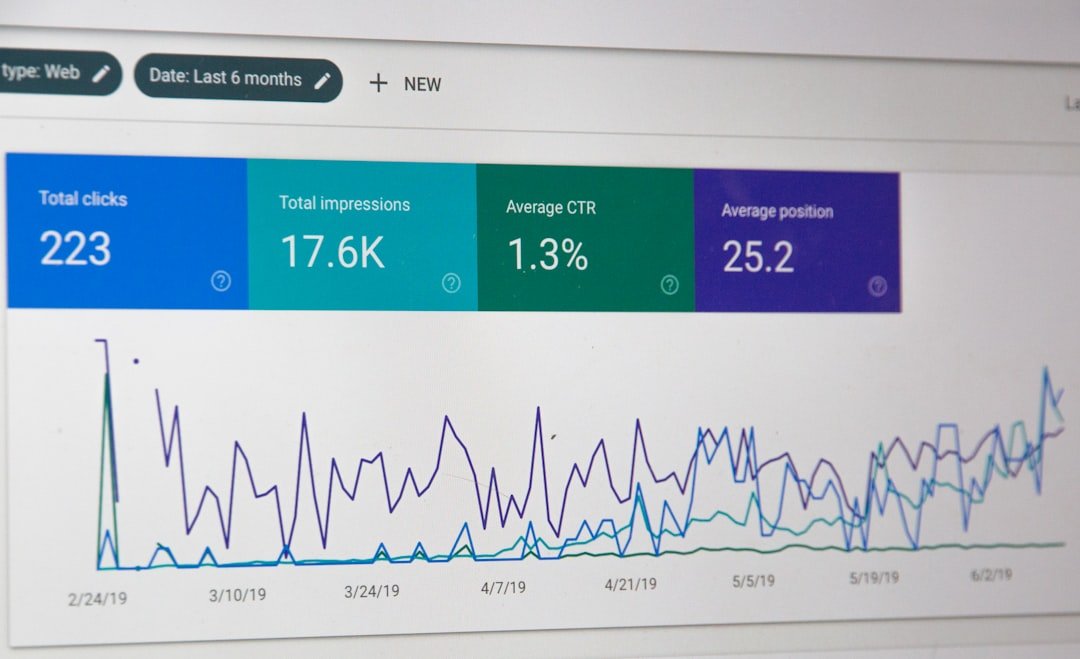
In marketing, what gets measured gets managed. Analyzing and measuring results is essential for understanding the effectiveness of your strategies and making informed decisions moving forward. Start by defining key performance indicators (KPIs) that align with your business objectives—these could include website traffic, conversion rates, social media engagement metrics, or email open rates.
Utilize analytics tools such as Google Analytics or social media insights to track performance over time. Regularly review these metrics to identify trends and areas for improvement. For instance, if you notice a drop in website traffic after a specific campaign launch, it may indicate that the messaging did not resonate with your audience as intended. Use these insights to refine your strategies continually and optimize future campaigns for better results.
Personalizing Your Marketing Approach
Personalization is no longer just a trend; it’s an expectation among consumers today. Brands that fail to personalize their marketing efforts risk losing relevance in an increasingly competitive landscape. Start by leveraging data analytics to gain insights into customer behaviors and preferences. This information can inform personalized messaging across various channels—be it email marketing, social media ads, or website content.
For example, an online retailer might use browsing history to recommend products tailored to individual customers’ interests. Additionally, consider implementing dynamic content on your website that changes based on user behavior or demographics. By creating a personalized experience for each visitor, you not only enhance engagement but also increase the likelihood of conversion.
Building Strong Brand Identity
A strong brand identity is essential for standing out in today’s crowded marketplace. Your brand identity encompasses everything from your logo and color scheme to your messaging and values. It’s crucial to create a cohesive brand image that resonates with your target audience and reflects your company’s mission.
Start by defining your brand’s core values and unique selling propositions (USPs). What sets you apart from competitors? Once you have clarity on these elements, ensure they are consistently communicated across all marketing channels—website, social media profiles, advertising campaigns—creating a unified brand presence that fosters recognition and trust among consumers.
Utilizing Paid Advertising
While organic reach is valuable, paid advertising can significantly amplify your marketing efforts when executed strategically. Platforms like Google Ads and Facebook Ads offer targeted advertising options that allow you to reach specific demographics based on interests, behaviors, and location. This precision targeting ensures that your ads are seen by those most likely to convert.
When creating paid ad campaigns, focus on crafting compelling ad copy and visuals that capture attention quickly. A/B testing different ad variations can help identify which elements resonate best with your audience—be it headlines, images, or calls-to-action (CTAs). Additionally, regularly monitor campaign performance metrics to optimize ad spend and maximize ROI.
Staying Up-to-Date with Marketing Trends
The marketing landscape is constantly evolving; staying up-to-date with the latest trends is crucial for maintaining a competitive edge. Subscribe to industry publications, attend webinars or conferences, and engage with thought leaders on social media platforms to keep abreast of emerging trends and best practices.
For instance, the rise of artificial intelligence (AI) in marketing has transformed how brands analyze data and personalize customer experiences. Understanding these advancements allows marketers to leverage new technologies effectively while adapting strategies to meet changing consumer expectations.
In conclusion, mastering these essential marketing strategies will empower CMOs, founders, and strategy-driven marketers to navigate the complexities of today’s digital landscape successfully. By understanding your target audience deeply and utilizing various channels effectively—from social media to email marketing—you can create engaging content that resonates with consumers while optimizing for search engines and leveraging influencer partnerships.
As you analyze results and personalize your approach, remember that building a strong brand identity is key to fostering loyalty among customers in an increasingly competitive market. Embrace paid advertising as a means of amplifying your reach while staying informed about emerging trends will ensure you remain at the forefront of innovation in marketing.
The future of marketing lies in adaptability; those who embrace change while remaining true to their core values will thrive in this dynamic environment. Are you ready to take your marketing strategy to the next level?
FAQs
What is marketing?
Marketing is the process of promoting, selling, and distributing a product or service. It involves market research, advertising, sales strategies, and customer engagement to meet consumer needs and achieve business goals.
What are the main types of marketing?
The main types of marketing include digital marketing, content marketing, social media marketing, email marketing, influencer marketing, and traditional marketing such as print, TV, and radio advertising.
Why is market research important in marketing?
Market research helps businesses understand their target audience, identify market trends, assess competition, and make informed decisions. It reduces risks and improves the effectiveness of marketing strategies.
What is the difference between B2B and B2C marketing?
B2B (business-to-business) marketing targets other businesses as customers, focusing on relationship-building and long sales cycles. B2C (business-to-consumer) marketing targets individual consumers, often emphasizing emotional appeal and quicker purchase decisions.
How has digital marketing changed traditional marketing?
Digital marketing has expanded the reach and precision of marketing efforts by using online channels such as social media, search engines, and email. It allows for real-time analytics, personalized content, and interactive engagement, making marketing more measurable and cost-effective.