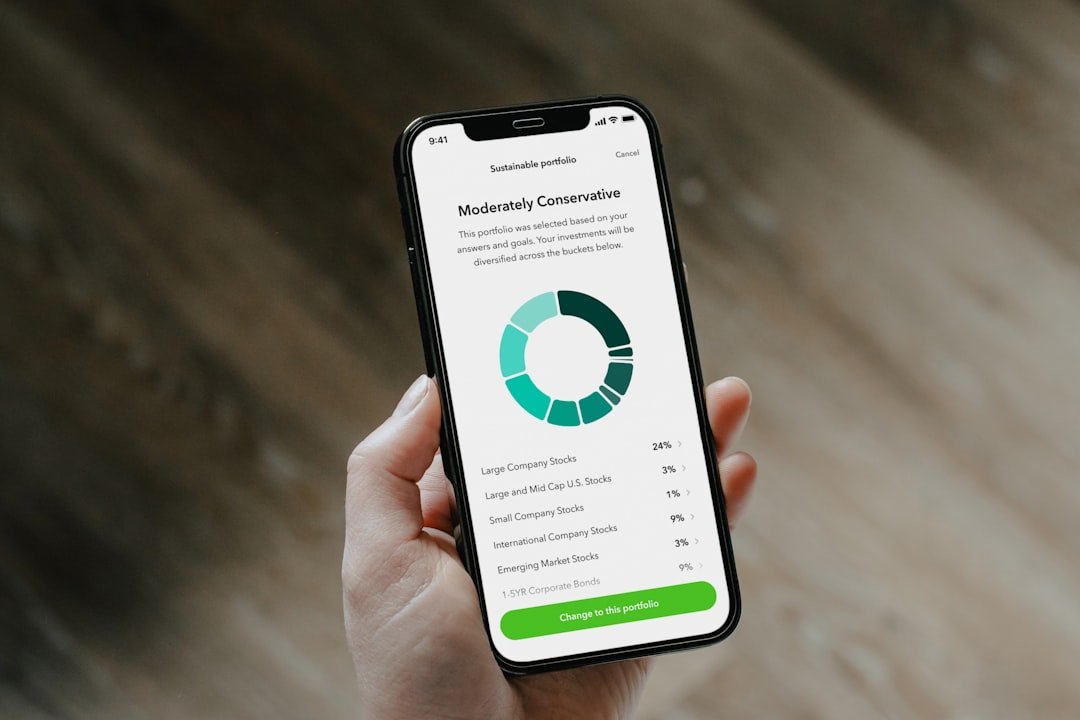
In the realm of marketing and product development, distinguishing between customer needs and wants is paramount. Needs are the fundamental requirements that drive consumer behavior; they are essential for survival and satisfaction. For instance, a customer needs a smartphone to communicate effectively, access information, and navigate their daily life. On the other hand, wants are the specific manifestations of those needs, shaped by personal preferences, cultural influences, and market trends. A customer may want the latest flagship smartphone with cutting-edge features, sleek design, and brand prestige.
Understanding this distinction is not merely academic; it has profound implications for how businesses approach product development and marketing strategies. By focusing on needs, companies can ensure that their offerings provide real value and solve genuine problems. Conversely, by recognizing wants, they can tailor their messaging and design to resonate emotionally with consumers. This duality is crucial for creating products that not only meet market demands but also foster brand loyalty.
In exploring the strategic difference between features that customers want and those they need, it’s essential to consider how predictive modeling can enhance product development and customer satisfaction. A related article that delves into this topic is “Predictive Modeling: Market Forecasting” which discusses how businesses can leverage data analytics to better understand customer preferences and behaviors. This insight can help companies prioritize features that align with genuine customer needs, ultimately leading to more successful products. For more information, you can read the article here: Predictive Modeling: Market Forecasting.
Identifying Customer Needs in Product Development
Identifying customer needs is a critical step in the product development process. It requires a deep dive into consumer behavior, preferences, and pain points. One effective method is employing qualitative research techniques such as interviews and focus groups. These approaches allow businesses to gather rich insights directly from their target audience, uncovering the underlying motivations that drive purchasing decisions. For example, a company developing a new kitchen appliance might discover that customers prioritize ease of use and safety features over advanced functionalities.
Quantitative research also plays a vital role in identifying customer needs. Surveys and data analytics can reveal trends and patterns that inform product design. For instance, a recent study found that 70% of consumers prioritize sustainability in their purchasing decisions. This insight can guide product developers to incorporate eco-friendly materials and practices into their offerings. By leveraging both qualitative and quantitative methods, businesses can create a comprehensive understanding of customer needs that informs every stage of product development.
The Impact of Customer Wants on Product Design

While customer needs lay the foundation for product functionality, wants significantly influence design aesthetics and user experience. A product that meets basic needs but fails to appeal to consumer desires may struggle to gain traction in a competitive market. For example, consider the automotive industry: while all vehicles provide transportation, those that incorporate stylish designs, advanced technology, and personalized features often capture greater market share.
Moreover, customer wants can drive innovation. Companies that actively listen to their audience can identify emerging trends and preferences that shape product design. Take Apple, for instance; its success is not solely attributed to meeting basic communication needs but also to its ability to create products that embody luxury and status. By integrating customer wants into the design process, businesses can enhance user engagement and foster brand loyalty.
Balancing Customer Needs and Wants in Product Development

Striking the right balance between customer needs and wants is essential for successful product development. Focusing too heavily on one aspect can lead to missed opportunities or wasted resources. For instance, a tech company might develop a highly functional device that meets all technical specifications but lacks the aesthetic appeal that consumers desire. Conversely, a product designed solely around consumer wants may overlook critical functionality, leading to dissatisfaction.
To achieve this balance, businesses should adopt a holistic approach that considers both dimensions throughout the product lifecycle. This involves continuous engagement with customers to refine understanding of their evolving needs and wants. Utilizing frameworks like the Value Proposition Canvas can help teams visualize how their offerings align with customer expectations. By integrating feedback loops into the development process, companies can ensure that they are not only meeting essential requirements but also delighting customers with features they desire.
In exploring the nuances of customer preferences, it’s essential to differentiate between the features that customers want and those they truly need. A related article that delves into optimizing business processes can provide valuable insights on how to align product offerings with customer expectations. By understanding these distinctions, companies can enhance their strategies and improve customer satisfaction. For further reading on this topic, you can check out the article on streamlining success through business process optimization.
Meeting Customer Needs with Essential Features
| Aspect | Features Customers Want | Features Customers Need | Strategic Impact |
|---|---|---|---|
| Definition | Desirable attributes or functionalities that attract customers | Essential functionalities that solve core problems or deliver value | Clarifies focus between attraction and value delivery |
| Customer Perception | Often driven by trends, marketing, or peer influence | Based on practical use and problem-solving effectiveness | Helps prioritize development efforts |
| Development Cost | May require significant resources for flashy or complex features | Typically optimized for efficiency and usability | Influences budget allocation and ROI |
| Impact on Customer Satisfaction | Can boost initial interest and excitement | Ensures long-term satisfaction and loyalty | Drives retention and repeat business |
| Risk | High risk of feature bloat and wasted resources | Lower risk, focused on solving real problems | Reduces product complexity and maintenance |
| Example | Advanced color themes or animations | Reliable performance and core functionality | Illustrates practical vs. attractive features |
To effectively meet customer needs, it is crucial to prioritize essential features during product development. These features should address core problems or challenges faced by consumers while ensuring usability and reliability. For example, in the realm of software applications, a project management tool must offer robust task management capabilities to fulfill its primary purpose. However, it should also be intuitive enough for users to navigate without extensive training.
Incorporating essential features requires a thorough understanding of the target audience’s pain points. Conducting user testing during the development phase can provide valuable insights into which features resonate most with customers. By focusing on delivering high-quality essential features, businesses can build trust and credibility with their audience, ultimately leading to higher satisfaction rates and repeat purchases.
Understanding the strategic difference between features customers want and need is crucial for effective product development and marketing. A related article that delves deeper into brand positioning and development can provide valuable insights on how to align your offerings with customer expectations. For those interested in enhancing their brand strategy, this article on brand positioning can serve as a helpful resource to navigate the complexities of consumer preferences.
Incorporating Customer Wants to Enhance Product Appeal
While meeting customer needs is fundamental, incorporating customer wants can significantly enhance a product’s appeal in the marketplace. This involves adding features or design elements that resonate with consumers on an emotional level. For instance, a fitness tracker may fulfill the need for health monitoring but can be made more appealing by offering customizable bands or integration with social media platforms for sharing achievements.
To effectively incorporate customer wants, businesses should engage in co-creation processes with their audience. This could involve soliciting feedback on design concepts or allowing customers to vote on potential features before launch. By involving customers in the development process, companies not only gain valuable insights but also foster a sense of ownership among their audience. This collaborative approach can lead to products that not only meet functional requirements but also evoke positive emotional responses.
The Role of Market Research in Understanding Customer Needs and Wants
Market research serves as the backbone of understanding customer needs and wants. It provides businesses with actionable insights that inform product development strategies and marketing campaigns. By employing various research methodologies—such as surveys, focus groups, and competitive analysis—companies can gather data on consumer preferences and behaviors.
For example, a recent survey conducted by Nielsen revealed that 66% of consumers are willing to pay more for sustainable brands. This insight underscores the importance of integrating sustainability into product offerings to meet both needs and wants effectively. Additionally, market research helps identify gaps in the market where unmet needs exist, allowing businesses to innovate and differentiate themselves from competitors.
Creating a Competitive Advantage by Addressing Customer Needs
Addressing customer needs effectively can create a significant competitive advantage in today’s crowded marketplace. Companies that prioritize understanding and fulfilling these needs are better positioned to capture market share and build lasting relationships with their customers. For instance, consider how companies like Amazon have thrived by focusing on customer-centric strategies—offering fast shipping options and personalized recommendations based on user behavior.
Moreover, addressing customer needs fosters brand loyalty and advocacy. When consumers feel that a brand genuinely understands their challenges and provides solutions, they are more likely to become repeat customers and recommend the brand to others. This word-of-mouth marketing is invaluable in an era where consumers increasingly rely on peer recommendations over traditional advertising.
The Importance of Customer Feedback in Aligning Features with Needs
Customer feedback is an indispensable tool for aligning product features with actual needs. It provides real-time insights into how well a product meets its intended purpose and highlights areas for improvement. Businesses should actively seek feedback through various channels—such as post-purchase surveys, social media interactions, or user forums—to gather diverse perspectives on their offerings.
Incorporating feedback loops into the product development process allows companies to iterate quickly based on user input. For example, software companies often release beta versions of their products to gather user feedback before launching fully. This iterative approach not only enhances product quality but also demonstrates to customers that their opinions are valued, fostering loyalty and trust.
Leveraging Customer Wants to Differentiate Your Product
In a competitive landscape where many products serve similar functions, leveraging customer wants can be a powerful differentiator. By understanding what consumers desire beyond basic functionality—such as aesthetics, brand values, or unique experiences—companies can carve out a niche in the market. For instance, brands like Nike have successfully differentiated themselves by aligning their products with lifestyle aspirations rather than just athletic performance.
To leverage customer wants effectively, businesses should focus on storytelling in their marketing efforts. Crafting narratives that resonate with consumers’ desires can create emotional connections that drive purchasing decisions. For example, brands that emphasize sustainability or social responsibility in their messaging often attract consumers who prioritize these values in their buying choices.
Achieving Long-Term Success by Focusing on Customer Needs
Ultimately, achieving long-term success hinges on a steadfast focus on customer needs. While trends may shift and consumer preferences evolve over time, the fundamental requirement for businesses remains: delivering value through products that solve real problems. Companies that prioritize this principle are more likely to build resilient brands capable of weathering market fluctuations.
Moreover, maintaining an ongoing dialogue with customers ensures that businesses remain attuned to changing needs over time. By fostering a culture of continuous improvement and innovation based on customer insights, companies can adapt their offerings to stay relevant in an ever-changing landscape.
In conclusion, understanding the nuanced differences between customer needs and wants is essential for effective product development and marketing strategies. By identifying core needs while also incorporating desirable features, businesses can create compelling products that resonate with consumers on multiple levels. Through diligent market research and active engagement with customers, companies can build competitive advantages that lead to long-term success in an increasingly complex marketplace. As we move forward into an era defined by rapid change and evolving consumer expectations, those who prioritize genuine understanding of their audience will undoubtedly emerge as leaders in their industries.
FAQs
What is the main difference between features customers want and features they need?
Features customers want are often desirable or attractive additions that enhance the user experience, while features they need are essential functionalities that solve core problems or fulfill basic requirements.
Why is it important to distinguish between wants and needs in product development?
Distinguishing between wants and needs helps prioritize resources and focus on delivering value by ensuring that essential features are developed first, leading to higher customer satisfaction and better product-market fit.
How can companies identify which features are truly needed by customers?
Companies can identify needed features through customer research methods such as surveys, interviews, usability testing, and analyzing customer feedback to understand pain points and essential use cases.
Can focusing too much on wanted features negatively impact a product?
Yes, focusing too much on wanted features can lead to feature bloat, increased complexity, higher development costs, and may distract from solving the core problems that customers face.
How does understanding the strategic difference between wants and needs benefit business growth?
Understanding this difference enables businesses to allocate resources efficiently, create products that meet critical customer demands, improve user satisfaction, and build a competitive advantage in the market.