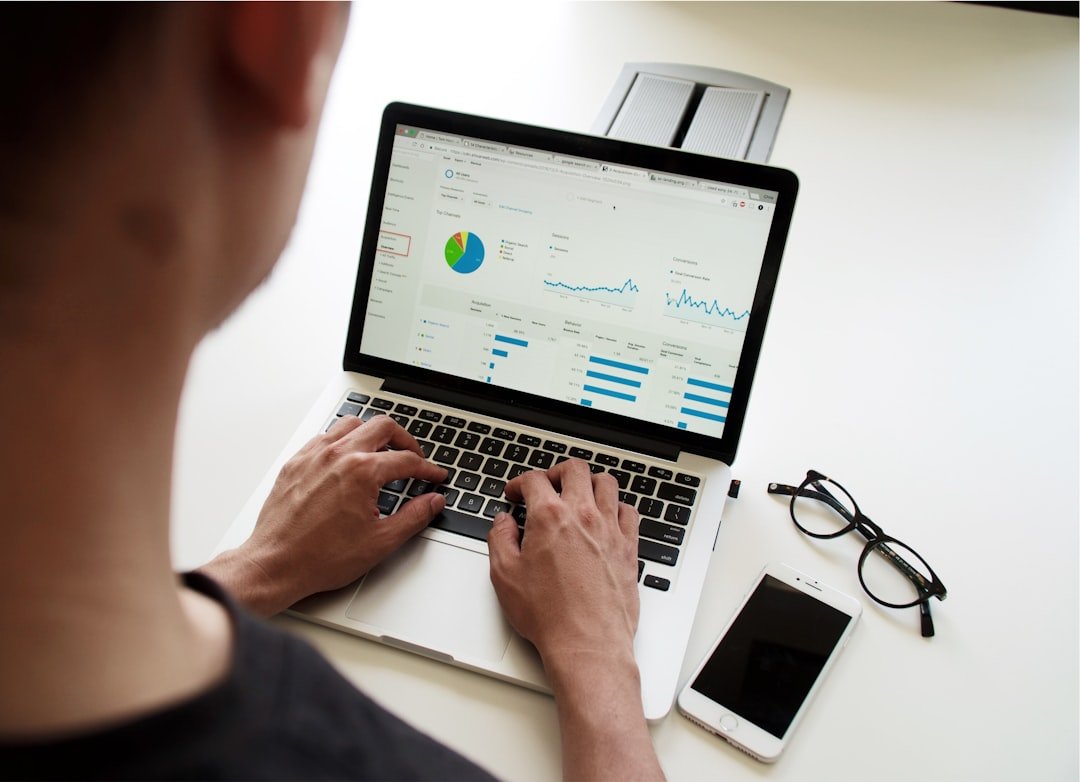
The relentless pace of modern business demands executive decision-making that is not only swift but also unerringly accurate. Yet, too often, boardrooms remain islands of intuition in a sea of data. This disconnect costs time, stifles agility, and leaves strategic opportunities on the table. The question for today’s CMOs, founders, and strategy leaders is not if you should leverage data in your executive meetings, but how you can transform them from periods of retrospective review into engines of proactive, data-driven foresight. This post will equip you with a clear blueprint to embed live data insights into your executive decision-making, moving beyond static reports to a dynamic, responsive leadership paradigm.
For decades, the executive meeting has been synonymous with PowerPoint decks filled with historical performance metrics. These decks, meticulously crafted by analysts, often represent a rearview mirror, showing where the business has been rather than illuminating where it is going or should be going. This fundamental limitation hinders the kind of agile response required in today’s volatile markets. The shift is moving from static snapshots to dynamic, live dashboards that reflect the pulse of the organization in real-time.
The Limitations of Traditional Reporting
Consider the typical quarterly business review. By the time data is collected, analyzed, formatted, and presented, it is already weeks, if not months, out of date. This temporal lag means that executives are making decisions based on the past, a dangerous proposition when market conditions can shift dramatically within weeks. The risk of acting on obsolete information amplifies, potentially leading to misallocated resources or missed growth avenues.
The Promise of Real-Time Visibility
The advent of cloud computing, sophisticated BI tools, and robust data pipelines has democratized access to live data. Organizations are beginning to recognize that decision-making is no longer a series of discrete events but an ongoing process. As highlighted in discussions around data teams, stakeholders increasingly expect data to be readily available, not delivered as finished artifacts after significant delays. This demand necessitates a fundamental re-imagining of how data is consumed at the executive level – moving from scheduled reports to always-on access to critical information.
Case in Point: Retail Inventory Management
A prime example lies in retail inventory management. A traditional report might show inventory levels at the end of the last quarter. However, with live data insights, an executive team can see, minute-by-minute, which products are selling out in specific regions, where stockouts are imminent, and how promotional campaigns are impacting demand in real-time. This immediate visibility allows for swift adjustments to replenishment orders, reallocations of inventory between stores, and agile adjustments to marketing spend, directly impacting sales and customer satisfaction. The difference is not just incremental; it’s strategic.
In the realm of enhancing executive meetings, the integration of live data insights plays a crucial role in driving informed decision-making. For those interested in further exploring methodologies that can streamline processes and improve efficiency, the article on Lean Six Sigma for SMEs offers valuable insights. By applying these principles, organizations can not only transform their meetings but also optimize their overall operations. To read more about this approach, visit Lean Six Sigma for SMEs.
Bridging the Gap Between Data and Strategy
The challenge is not merely having access to data; it is about ensuring that this data directly informs strategic objectives and operational execution. This requires a deliberate effort to align data collection and presentation with the key performance indicators (KPIs) that truly define strategic success.
Identifying Your Strategic North Stars
Before diving into dashboards, a crucial step is to clearly define the strategic objectives of your organization. What are the 3-5 overarching goals for the next quarter, year, or even three years? Think ambitious yet achievable. For example, a company might aim to increase market share by 15%, launch two new product lines successfully, or improve customer retention by 10%. These are your “North Stars.”
Mapping Data to Strategic Goals
Once your North Stars are defined, map them to the specific metrics that will indicate progress. For instance:
- Increase Market Share: Track market share percentage, competitor sales data, customer acquisition cost (CAC) vs. customer lifetime value (CLTV) by segment.
- Launch New Product Lines: Monitor pre-order numbers, early adoption rates, user feedback sentiment, conversion rates from launch campaigns.
- Improve Customer Retention: Analyze churn rate, repeat purchase frequency, Net Promoter Score (NPS), customer support response times and resolution rates.
This mapping process ensures that the data presented in executive meetings is directly relevant and actionable to strategic priorities.
The “Data & Analytics Live 2026” Perspective
Conferences like “Data & Analytics Live 2026” often feature sessions that focus on bridging the gap between business strategy and AI innovation. This implies a forward-thinking approach where data is not just descriptive but predictive and prescriptive, actively guiding strategic choices rather than passively reporting past outcomes. The goal is to move from simply understanding what happened, to understanding why it happened, and what should happen next.
Designing Executive Dashboards for Impact

The effectiveness of live data insights hinges on how they are presented. Executive dashboards must be intuitive, focused, and designed to spark discussion and drive decisions. This is not the place for an overwhelming flood of information; it is the arena for clear, concise, and contextually rich data.
The Principle of “Less is More”
An executive dashboard should not resemble the complex interfaces seen by data analysts. It needs to be a curated view, presenting the most critical information at a glance. Think of a pilot’s cockpit – essential controls are readily accessible, while less critical functions are in secondary panels. Focus on the key metrics that directly reflect progress against strategic goals.
Visual Storytelling with Data
Effective visualization is paramount. Charts and graphs should be chosen to clearly communicate trends, outliers, and correlations. Use color strategically to highlight performance (e.g., green for on-target, red for significantly off-target). Tools like Tableau, often featured at events like “Tableau Conference 2026,” excel at enabling this kind of visually compelling data storytelling. The narrative should be apparent: “Here’s our progress on Goal X, here’s why we’re seeing this trend (supported by a secondary data point), and here’s the action we recommend.”
Interactive Exploration, Not Passive Consumption
Live data dashboards should allow for a degree of interactive exploration. Executives should be able to drill down into specific metrics to understand underlying drivers, without needing a data specialist to pull additional reports. For example, if a sales trend is a concern, an executive might click on that metric to see performance by region, product category, or sales representative. This empowers them to ask more informed questions and uncover deeper insights directly.
Fostering a Data-Led Decision-Making Culture

Transforming executive meetings with live data is more than just implementing new tools; it’s about cultivating a mindset shift across the organization. This involves leadership championing data-driven approaches and empowering teams to leverage data effectively.
Leadership as the First Adopters
For live data insights to gain traction, leadership must be the most vocal proponents and consistent users. When executives consistently reference live dashboards in meetings, ask questions based on real-time data, and make decisions influenced by these insights, it signals to the rest of the organization that this is the new way of operating. Organizational transformation conferences often highlight the critical role of leadership in driving change.
Empowering Data Literacy
While executives should not need to be data scientists, a basic level of data literacy is essential. This involves understanding what the key metrics mean, how they are calculated, and their implications for business strategy. Invest in targeted training for your leadership team and key decision-makers to build confidence and competence in interpreting and leveraging data.
The Observable Webinar Insight: Continuous Data Flow
As noted in discussions around data teams, the expectation is shifting towards a continuous flow of data, rather than periodic deliverables. This means fostering a culture where data is seen as a live, evolving entity. Executive meetings should reflect this continuity, incorporating data reviews not just as formal agenda items, but as an integrated part of ongoing strategic discussions.
In today’s fast-paced business environment, the ability to leverage real-time data insights can significantly enhance the effectiveness of executive meetings. A related article discusses how eCommerce strategy optimization can further drive decision-making processes by utilizing live data analytics. For more information on this topic, you can explore the article on eCommerce strategy optimization, which highlights innovative approaches to integrating data into business strategies.
Real-World Impact: Case Studies in Agility
| Meeting Metrics | Before | After |
|---|---|---|
| Meeting Duration | 2 hours | 1 hour |
| Engagement Level | Low | High |
| Decision-Making Speed | Slow | Fast |
| Information Accuracy | Medium | High |
The proof of transforming executive meetings with live data lies in the tangible impact it has on business outcomes. Companies that successfully implement this approach benefit from increased agility, improved forecast accuracy, and more effective resource allocation.
E-commerce Optimization
Consider an e-commerce business during a major sales event. With live website traffic, conversion rates, and cart abandonment data readily available, the executive team can monitor campaign performance in real-time. If a particular ad creative is underperforming, they can immediately shift budget to more effective channels. If a checkout process is showing high abandonment, the technical team can be alerted instantly to investigate and resolve the issue, preventing lost sales. This is proactive strategy, driven by live data.
Supply Chain Resilience
In a volatile global supply chain environment, live inventory levels, shipping status, and supplier lead times are critical. An executive team armed with this data can quickly identify potential disruptions and pivot. If a key port is unexpectedly closed, live data can reveal alternative shipping routes, identify alternative suppliers with available inventory, and allow for proactive communication with affected customers. This resilience is built on the foundation of real-time information.
Financial Forecasting and Budgeting
For finance functions, live data moves beyond historical accruals. Integrating real-time sales pipeline data, operational expense dashboards, and market indicators allows for more dynamic and accurate financial forecasting. This means executives can make immediate adjustments to budgets, identify potential cash flow issues before they become critical, and allocate capital more effectively based on current market demands and organizational performance.
In the realm of enhancing executive meetings, the integration of live data insights has proven to be a game changer, allowing leaders to make informed decisions in real-time. For those interested in exploring how innovative marketing solutions can further complement these advancements, a related article discusses the benefits of utilizing effective strategies to boost engagement and performance. You can read more about this topic in the article on marketing solutions. By combining these insights with dynamic meeting practices, organizations can significantly improve their strategic outcomes.
The Future of Executive Decision-Making: Predictive and Prescriptive
The trajectory is clear: executive meetings will continue to evolve from retrospective reviews to proactive strategy sessions driven by intelligent data. The focus will shift from descriptive analytics (“what happened?”) and diagnostic analytics (“why did it happen?”) towards predictive analytics (“what is likely to happen?”) and prescriptive analytics (“what should we do?”).
Embracing AI for Deeper Insights
The integration of Artificial Intelligence (AI) is accelerating this transformation. As platforms like those showcased at the “Tableau Conference 2026” demonstrate, AI can analyze vast datasets to identify patterns invisible to humans, predict future outcomes with greater accuracy, and even recommend optimal courses of action. This moves the executive discussion from interpreting data to acting on intelligent recommendations.
The “Driven by Data LIVE 2026” Vision
Events like “Driven by Data LIVE 2026” emphasize how executives are driving data-led transformation. This suggests a future where data is not an afterthought, but the very engine of strategic direction. Imagine an executive meeting where AI-powered insights flag a nascent market trend, predict its impact on your business, and suggest a strategic pivot, all before your competitors even notice.
Actionable Insight, Not Just Information
The ultimate goal is to ensure that every piece of data presented leads to a clear, actionable insight. This requires continuous refinement of dashboards, consistent training, and a culture that values data-informed debate and decisive action. The executive meeting of tomorrow will be a dynamic, collaborative environment where live data fuels hypothesis testing, scenario planning, and confident strategic execution.
In conclusion, transforming executive meetings with live data insights is no longer a luxury; it is a competitive imperative. By moving beyond static reports to dynamic, interactive dashboards, you empower your leadership team with the foresight needed to navigate complexity and seize opportunities. This isn’t just about reporting numbers; it’s about building a more agile, responsive, and ultimately, more successful organization. Are you ready to unlock the power of real-time intelligence?
FAQs
What is live data insights in executive meetings?
Live data insights in executive meetings refer to the real-time analysis and presentation of data during the meeting. This allows executives to make informed decisions based on the most up-to-date information available.
How can live data insights transform executive meetings?
Live data insights can transform executive meetings by providing executives with real-time information, enabling them to make quicker and more informed decisions. It also allows for more interactive and engaging discussions during the meeting.
What are the benefits of using live data insights in executive meetings?
Some benefits of using live data insights in executive meetings include improved decision-making, increased productivity, better collaboration among executives, and the ability to quickly respond to changing market conditions.
What types of data can be presented as live data insights in executive meetings?
Various types of data can be presented as live data insights in executive meetings, including financial data, sales performance metrics, customer feedback, market trends, and operational KPIs.
What tools or technologies are commonly used to provide live data insights in executive meetings?
Commonly used tools and technologies to provide live data insights in executive meetings include data visualization software, business intelligence platforms, real-time dashboards, and interactive presentation tools.