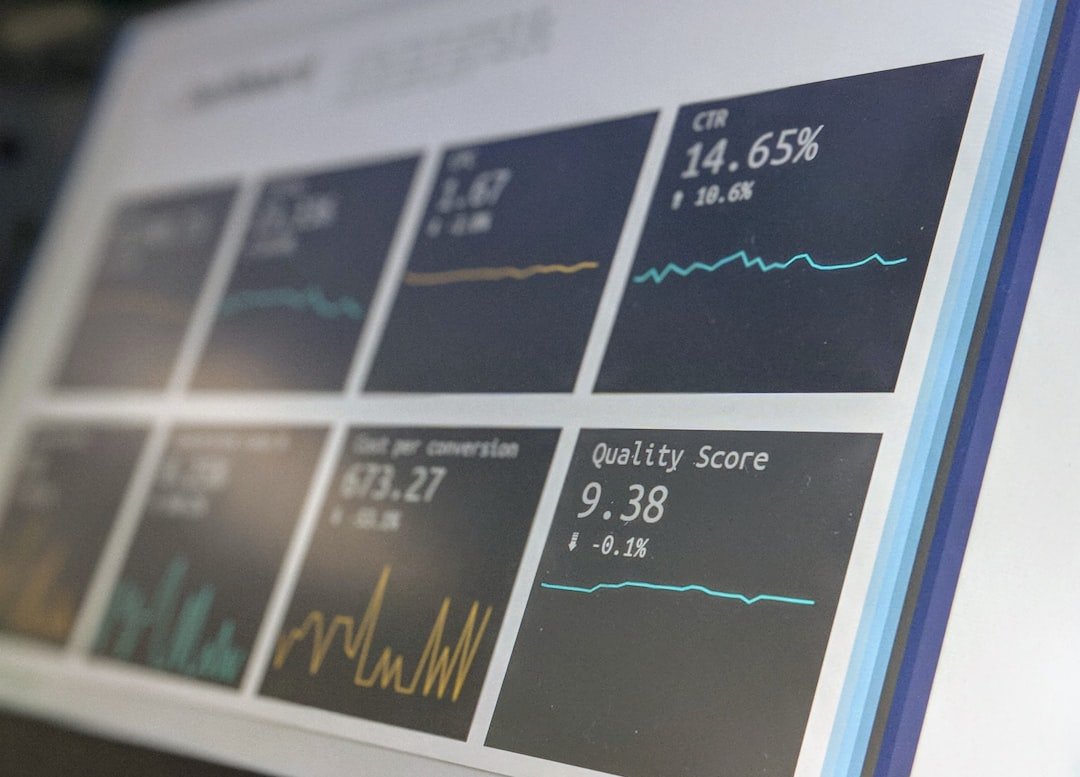
The chasm between raw data and executive decision-making widens with every scaling stage of a SaaS company. CMOs, founders, and strategic marketers understand that mere data visibility isn’t enough; they require executive analytics – insights engineered for strategic action. This article demystifies executive analytics for scaling SaaS companies, offering a potent framework to harness data not just for reporting, but for predictive growth and competitive advantage.
Scaling SaaS companies face unique pressures. Rapid user acquisition, churn mitigation, and aggressive revenue targets demand an analytical infrastructure that transcends basic dashboards. Executive analytics translates complex operational data into digestible, actionable intelligence for the C-suite, enabling swift, informed strategic pivots. This isn’t about more data; it’s about better, more relevant insights.
The Cost of Analytical Blind Spots
Consider the 41% of SaaS firms that, despite collecting mountains of data, confess to ignoring it for decisions (Vena, 2026). This neglect isn’t benign; it’s a direct inhibitor of growth and efficiency. Without executive-level analytical clarity, strategic planning becomes guesswork, and competitive differentiation erodes. Furthermore, the rising costs of SaaS and Gen AI (Zylo, 2026), with 82% of executives noting their impact, underscore the urgency of data-driven cost optimization.
Defining Strategic Impact
Executive analytics focuses on metrics that directly influence strategic goals: NRR, expansion ARR, customer lifetime value (CLTV), customer acquisition cost (CAC), and product-market fit indicators. It’s about discerning patterns, anticipating shifts, and empowering proactive rather than reactive management.
In the realm of Executive Analytics for Scaling SaaS Companies, understanding the intricacies of change management is crucial for sustainable growth. A related article that delves into this topic is “Change Management in SMEs,” which explores strategies that small and medium-sized enterprises can adopt to effectively manage transitions and foster innovation. For more insights on this subject, you can read the article here: Change Management in SMEs.
Crafting Your Executive Analytics Framework
Building an effective executive analytics framework requires a deliberate, structured approach. It’s not a one-time project but an ongoing commitment to data fluency and strategic alignment.
Aligning Metrics with Strategic Objectives
Every data point presented to an executive must tie directly to a company objective. For a scaling SaaS, these often include increasing market share, improving product stickiness, or optimizing operational efficiency.
- Objective-Driven Dashboards: Instead of generic reports, create dashboards that answer specific strategic questions. For example, a dashboard addressing “How to improve NRR” would feature current NRR, expansion ARR by segment, churn rates by cohort, and product usage patterns.
- Leading vs. Lagging Indicators: Executives need a blend. Lagging indicators (e.g., quarterly revenue) confirm past performance, but leading indicators (e.g., free trial conversion rates, feature adoption) predict future outcomes, allowing for course correction.
Centralized Data for Holistic Views
Fragmented data sources lead to incomplete insights and conflicting narratives. A centralized data strategy is paramount.
- Data Lake/Warehouse Implementation: Invest in a robust data infrastructure capable of integrating data from CRMs, ERPs, marketing automation platforms, and product analytics tools. This single source of truth eliminates debate and fosters consistent understanding.
- API Integrations and Connectors: Ensure your analytics platforms can seamlessly integrate with your core operational systems. The goal is to minimize manual data extraction and ensure real-time or near real-time data availability.
Essential Pillars of Executive Analytics for SaaS

To empower C-suite decision-making, focus on these critical analytical pillars. They provide the depth and foresight required to navigate rapid growth and competitive landscapes.
Customer Lifetime Value (CLTV) & Churn Forecasting
Understanding and optimizing CLTV is fundamental for SaaS profitability. Executive analytics moves beyond simply reporting current CLTV to predicting future trends and identifying intervention points.
- Predictive Churn Models: Utilize machine learning to identify customers at high risk of churning before they leave. Tools like EXL (Relevant Software, 2026) specialize in risk scoring and forecasting, allowing proactive engagement from sales, success, or product teams.
- Cohort Analysis for CLTV: Break down CLTV by customer acquisition cohort, product tier, or industry vertical. This reveals which segments are most profitable and which require strategic adjustments.
- Expansion Revenue Analytics: The 2026 SaaS & AI Executive Report highlights NRR and expansion ARR as key metrics. Executive analytics should delineate the sources of expansion revenue (upsell, cross-sell, feature add-ons) and pinpoint opportunities for growth.
Product-Led Growth (PLG) Metrics & User Behavior
For many scaling SaaS companies, the product itself is the primary growth engine. Executives need a clear view into product usage, adoption, and its impact on revenue.
- Feature Adoption & Engagement: Beyond basic usage, executive analytics should reveal who uses which features, how often, and to what effect. Platforms like Amplitude or Mixpanel (Mitzu, 2026) excel here, providing behavioral insights that inform product roadmap prioritization.
- Product-Qualified Leads (PQLs): Establish a clear definition of a PQL based on in-app behavior and integrate this into sales workflows. This aligns product and sales teams around a shared growth metric.
- Feedback Integration for Iteration: Incorporate qualitative feedback from surveys and support tickets with quantitative usage data. Tools like Pendo (Mitzu, 2026) can facilitate in-app guidance and feedback collection, helping to close the loop on product improvements.
Financial Health & Strategic Resource Allocation
SaaS financials are complex, requiring granular insights into revenue, costs, and profitability. Executives need to monitor beyond top-line revenue to understand underlying unit economics.
- Unit Economics Deep Dive: Analyze CAC payback periods, gross margin trends, and sales and marketing efficiency ratios by segment. This level of detail informs pricing strategies and go-to-market adjustments.
- Forecasting and Budgeting Agility: With 39% of SaaS firms lacking agile planning (Vena, 2026), robust forecasting is a competitive edge. Integrate financial planning with operational data to enable “what-if” scenario planning for various growth assumptions. Vena’s emphasis on agile planning underscores this point.
- SaaS Spend Optimization: With rising SaaS/Gen AI costs, monitoring and optimizing SaaS spend is critical. Executive analytics can track software subscriptions, identify redundancies, and measure the ROI of various tools.
MarTech Effectiveness & Customer Acquisition
Marketing spend is a significant investment for scaling SaaS. Executives need to understand campaign performance, channel ROI, and customer acquisition efficiency.
- Full-Funnel Attribution Modeling: Move beyond last-click attribution to understand the true impact of various touchpoints across the customer journey. This informs resource allocation for marketing channels.
- CAC by Channel & Persona: Analyze customer acquisition cost broken down by marketing channel, campaign, and target persona. This allows for strategic investment in channels yielding the most profitable customers.
- Website & Content Performance: Utilize platforms like GA4 (Mitzu, 2026) for predictive metrics on website traffic, engagement, and conversion rates. Understand which content drives the most qualified leads and influences purchasing decisions.
Tools and Technologies for Executive Analytics

The market offers a robust suite of analytical tools, but the key is selecting those that align with executive needs and can scale with your company.
Modern Analytics Platforms
- Dedicated SaaS Analytics: Platforms like Mitzu (Mitzu, 2026) offer embeddable dashboards and real-time data specifically for SaaS, making complex data accessible.
- Behavioral Analytics: Amplitude and Mixpanel (Mitzu, 2026) provide deep insights into user behavior, crucial for product-led growth strategies.
- Business Intelligence (BI) Suites: Tools like Tableau, Power BI, or Looker enable customized dashboard creation and data visualization, transforming raw data into coherent narratives for executives.
AI and Machine Learning Capabilities
The integration of AI is no longer optional; it’s a differentiator. The “2026 SaaS & AI Executive Report” highlights AI trends as central to success (Benchmarkit, 2026).
- Predictive Analytics: AI/ML can forecast churn, predict sales opportunities, and model future revenue scenarios with greater accuracy. Firms like EXL and Tiger Analytics (Relevant Software, 2026) specialize in these predictive operations.
- Automated Anomaly Detection: AI can flag unusual data patterns (e.g., sudden drops in feature usage, unexpected churn spikes) that might otherwise go unnoticed, prompting timely executive intervention.
- Personalization at Scale: AI-driven insights enable hyper-personalization of marketing campaigns, in-app experiences, and customer success interventions, driving higher engagement and retention. Salesforce and Microsoft are leading this charge with integrated AI platforms (Zylo, 2026).
Data Governance and Security
As data becomes central to executive decisions, robust data governance and security protocols are non-negotiable.
- Compliance (GDPR, CCPA): Ensure all data collection, storage, and usage practices comply with relevant privacy regulations.
- Data Quality and Integrity: Implement processes to ensure data accuracy, consistency, and completeness. Flawed data leads to flawed decisions.
- Access Control: Define clear roles and permissions for who can access what data, especially sensitive customer and financial information.
In the fast-paced world of SaaS companies, leveraging executive analytics is crucial for scaling effectively. By utilizing data-driven insights, businesses can make informed decisions that enhance their growth strategies. For those looking to optimize their marketing efforts alongside their analytics, a related article discusses how automation can streamline these processes. You can read more about this topic in the article on streamlining your marketing efforts with automation. This integration of analytics and automation can significantly boost a company’s ability to scale successfully.
Driving Action from Executive Analytics
| Metrics | Definition |
|---|---|
| Monthly Recurring Revenue (MRR) | The predictable revenue that a company expects to receive every month from subscriptions |
| Customer Acquisition Cost (CAC) | The cost of acquiring a new customer, including sales and marketing expenses |
| Churn Rate | The percentage of customers who cancel their subscription within a given period |
| Lifetime Value (LTV) | The total revenue a customer is expected to generate over the entire relationship with the company |
| Customer Retention Rate | The percentage of customers that a company has retained over a specific period |
Data means nothing without action. The ultimate goal of executive analytics is to empower rapid, informed decision-making and strategic execution.
The Feedback Loop: Analytics to Strategy to Execution
Establish a clear feedback loop where analytical insights directly inform strategic planning. After decisions are made, monitor key metrics to assess the impact of those decisions, creating a continuous cycle of learning and optimization.
Data Storytelling: Making Insights Palatable
Executives are time-constrained. Present data not as a collection of charts, but as a compelling narrative that highlights key challenges, opportunities, and recommended actions. Focus on the “so what?” and “now what?”
Cultivating an Analytical Culture
The most sophisticated tools are useless without a data-driven culture. Encourage curiosity, challenge assumptions with data, and reward evidence-based decision-making throughout the organization. This isn’t just for data scientists; it’s a C-suite imperative.
Conclusion
Executive analytics is the strategic compass for scaling SaaS companies, transforming raw data into a clear roadmap for sustainable growth. By focusing on objective-aligned metrics, leveraging advanced analytics tools, and fostering a data-driven culture, CMOs, founders, and strategic marketers can equip their leadership with the foresight and confidence needed to navigate dynamic markets. Don’t just report numbers; drive strategic action. The future of your SaaS hinges on it.
FAQs
What is executive analytics for scaling SaaS companies?
Executive analytics for scaling SaaS companies refers to the use of data and analytics by company executives to make informed decisions and drive growth in the software as a service (SaaS) industry. It involves analyzing key metrics and performance indicators to identify opportunities for expansion and improvement.
Why is executive analytics important for scaling SaaS companies?
Executive analytics is important for scaling SaaS companies because it provides valuable insights into customer behavior, market trends, and operational efficiency. By leveraging data-driven decision-making, executives can optimize their strategies, allocate resources effectively, and drive sustainable growth.
What are some key metrics used in executive analytics for scaling SaaS companies?
Key metrics used in executive analytics for scaling SaaS companies may include customer acquisition cost (CAC), customer lifetime value (CLV), churn rate, monthly recurring revenue (MRR), annual recurring revenue (ARR), and net promoter score (NPS). These metrics help executives understand the health and performance of their SaaS business.
How can executive analytics help SaaS companies make better strategic decisions?
Executive analytics can help SaaS companies make better strategic decisions by providing actionable insights into market opportunities, customer preferences, and competitive landscape. By leveraging data and analytics, executives can identify growth areas, optimize pricing strategies, and enhance customer satisfaction.
What are some common challenges in implementing executive analytics for scaling SaaS companies?
Some common challenges in implementing executive analytics for scaling SaaS companies include data silos, data quality issues, lack of analytics expertise, and resistance to change. Overcoming these challenges requires a strategic approach to data integration, investment in analytics capabilities, and a culture of data-driven decision-making.